Cash Out Betting Strategies: The Ultimate Guide to Making Smart Decisions
Strategy Guide

Cash Out Betting Strategies: The Ultimate Guide to Making Smart Decisions

Jump to section

Introduction

Picture this: You've put a bet on Arsenal against Chelsea. There's 10 minutes left and Arsenal are 1-0 up. Your phone buzzes - the bookie's offering you cash out. Do you take the guaranteed profit, or do you let it ride for the bigger payday? Every football bettor has been there, and getting it right can be the difference between walking away with money in your pocket or tearing up a losing ticket.

Since Betfair first brought in the cash out feature back in 2011, it's completely changed how people bet on football. You're not stuck waiting for the final whistle anymore - you can take control, settle early, lock in a profit or cut your losses based on what's actually happening on the pitch. But here's the thing everyone needs to understand: cash out isn't your friend. Most people who use it too often are quietly watching their profits disappear.

Let's talk through everything you need to know about cash out betting strategies - when it makes sense to take the money, and when you're better off letting your bet run.

What is Cash Out in Betting?

Cash out is a feature most major bookmakers offer that lets you settle your bet before the event you've bet on has finished. Rather than waiting for full-time, you can take a return - either a profit or a smaller loss - based on how your bet's looking right now.

The amount you're offered to cash out changes constantly, moving with every goal, corner, and card. It's calculated from the live odds, how much time is left, and what's actually happening in the match. And importantly, there's always a margin built in for the bookmaker.

Here's how it works in practice. Say you've bet £100 on Manchester City at 2.50 odds - that's £250 if they win. At halftime City lead 1-0, and your app shows you can cash out for £170. You can take that £170 now, lock in a £70 profit, and avoid the stress of wondering whether City will hold on. Or you can let it ride and hope for the full £250 payout - but you risk ending up with nothing if Chelsea fight back.

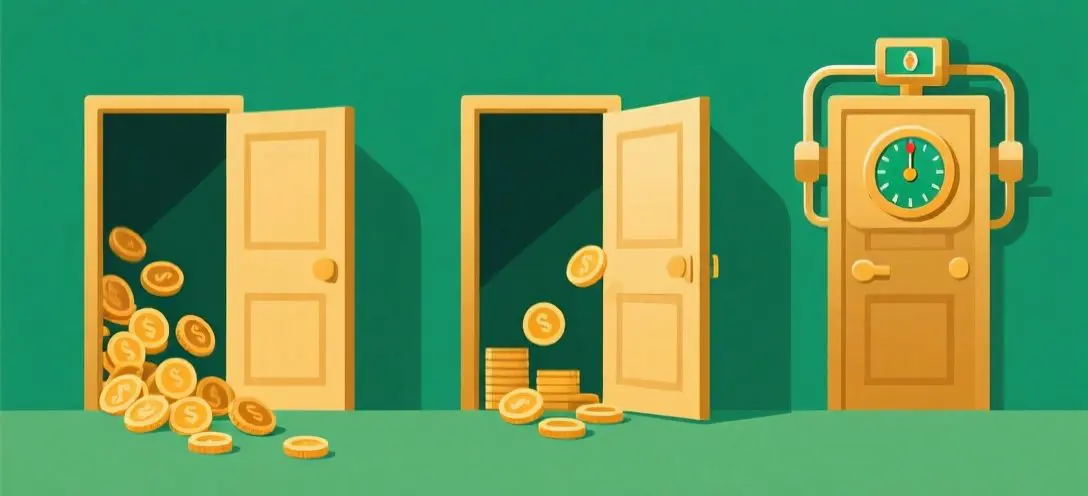
The Three Types of Cash Out

Before getting into strategy, it's worth understanding that cash out isn't one-size-fits-all. Most bookies offer three different types, and knowing which to use can make a real difference to your profits.

Full Cash Out

This is straightforward. You hit the button, take what's on offer, and your bet's settled. The trade-off is certainty - you know exactly what you're getting, but you're usually giving up some profit compared with what you'd get if your bet wins at the end.

For instance, you might have £50 on Tottenham to win at 3.00 odds. When Spurs go 1-0 up in the first half, you're offered £110 to cash out. That's £60 profit secured, even if Spurs end up drawing or losing. But if they hold on for the win, you'd walk away with £150 - £40 more than the cash out offer.

Partial Cash Out

This is where it gets interesting. Instead of cashing out your whole bet, you can take some of it and keep the rest running. It's basically having your cake and eating it too - you lock in some profit while still having a shot at the full payout.

Using that Spurs example again, you might decide to cash out half your stake. You'd take £55 back, securing a small profit, but leave the other half running. If Spurs go on to win, you still get paid on the remaining portion. It's a built-in hedge that lets you balance risk and reward based on how confident you're feeling.

Auto Cash Out

This is the set-it-and-forget-it option. You can programme your app to automatically cash out if the offer hits a certain amount. It's handy if you can't watch the match live, or if you know yourself well enough to realise emotions might cloud your judgment in the heat of the moment.

You might set auto cash out at £120 on that Spurs bet. If the offer reaches that during the game, the bet settles automatically - no agonising, no second-guessing, no panic decisions.

Editorial illustration showing three cash-out types: full exit, partial hedge, and auto-settle
Understanding the three types of cash-out: full, partial, and auto

The Mathematics Behind Cash Out

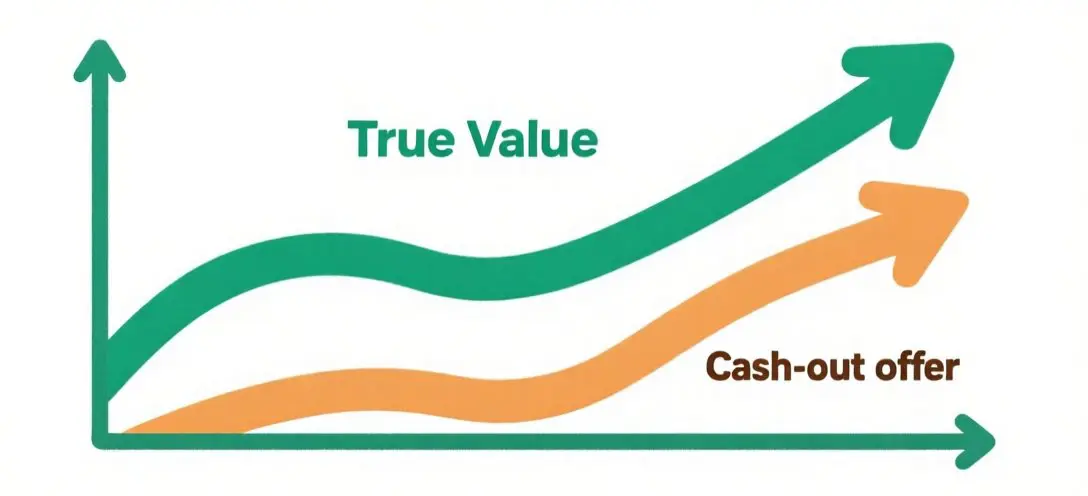
Here's where it gets uncomfortable, but you need to understand this. Cash out is designed to work in the bookmaker's favour, not yours. Every time you cash out, you're typically getting less than 50% of your bet's true value.

Let's break down the maths with a real example. Say you've bet £100 on a team at even money (2.00). They're two goals up going into the 70th minute, and your app offers you £140 to cash out.

Seems fair enough, right? But here's what's actually happening. At that point in the game, your team probably has about an 85% chance of winning. Your true equity - what your bet's actually worth mathematically - is 85% of £200, which comes to £170. The bookmaker's offering you £140 and keeping £30 for themselves, on top of the vig you already paid when you placed the bet.

Think about it this way: you paid the bookmaker's fee once when you placed your original bet. Now they're charging you again to get out early. It's like a payday loan - they're giving you money now, but charging you a premium for the privilege.

This isn't to say cash out is never the right choice. Sometimes certainty matters more than pure maths. But you need to go in with your eyes open - every time you cash out, you're making a -EV (negative expected value) decision from a mathematical perspective.

Professional Gambler, Unabated

Cash out typically offers no more than 50 percent of what your true equity is. It's like a payday loan - offering you just a fraction of what you're expected to receive in exchange for receiving it right away.

Jack Andrews
Mathematical graph comparing true equity versus cash-out offer over time
The hidden cost of cashing out: how bookmaker margins erode your equity

When to Cash Out: Strategies That Actually Work

So if cash out is mathematically dodgy, when should you actually use it? There are perfectly reasonable scenarios where taking the guaranteed money makes sense, even if you're giving up some expected value.

1. Locking in Profit When the Game's Turning Against You

This is the classic cash out scenario. Your team's leading but don't look comfortable. The opposition are pushing forward, creating chances, and you can feel the momentum shifting. This is when cashing out can save you from watching a winning bet turn into a loser.

Say you've backed an underdog at 4.00 odds. They score early to lead 1-0, and you're being offered double your stake to cash out. Underdogs often struggle to hold onto leads, so taking the money and running might be completely rational - you've secured a cracking return and can move on to the next bet stress-free.

2. When You're Looking at Life-Changing Money

This is where maths takes a backseat to reality. In March 2024, a bettor called "Teflon Don" found himself in an incredible position. He'd put $5 on a seven-leg baseball parlay at 39,000-to-1 odds - nearly $200,000 if it landed. Six of the seven batters had already homered, with only Mookie Betts left.

FanDuel offered him $12,328 to cash out. The thing is, mathematically he should have let it ride. With Betts likely getting 2-3 more at-bats and homering in about 5% of plate appearances, his true equity was around $24,000 - double what was on offer. But $12,000 is life-changing money for most people.

Teflon Don made the brave choice to let it ride. Betts homered in the ninth inning, and the ticket paid $196,594.72. But make no mistake - he took a massive gamble, and it could easily have gone the other way. When you're in uncharted financial territory, normal EV calculations don't always apply.

3. Cutting Your Losses on a Losing Bet

Sometimes cash out isn't about securing profit - it's about damage limitation. Your team's down 2-0 and looks dead. You could lose your whole stake, or you could take £20 back on a £50 bet and live to fight another day.

Taking a loss isn't fun, but sometimes it's the smart play. If you genuinely think your bet's got no chance, getting something back is better than riding it to zero. This is particularly relevant for accumulator bets - if one leg's already lost and you can still cash out something, it might be worth taking rather than losing the lot.

4. When You Can't Watch the Match

There's real value in not stressing about a bet you can't follow. If you've got money on a match but you're stuck at work, out with friends, or just busy, cashing out at a decent offer can buy you peace of mind. You won't spend the afternoon glued to your phone checking scores, and you can enjoy your day knowing exactly where you stand.
When NOT to Cash Out: Common Mistakes to Avoid

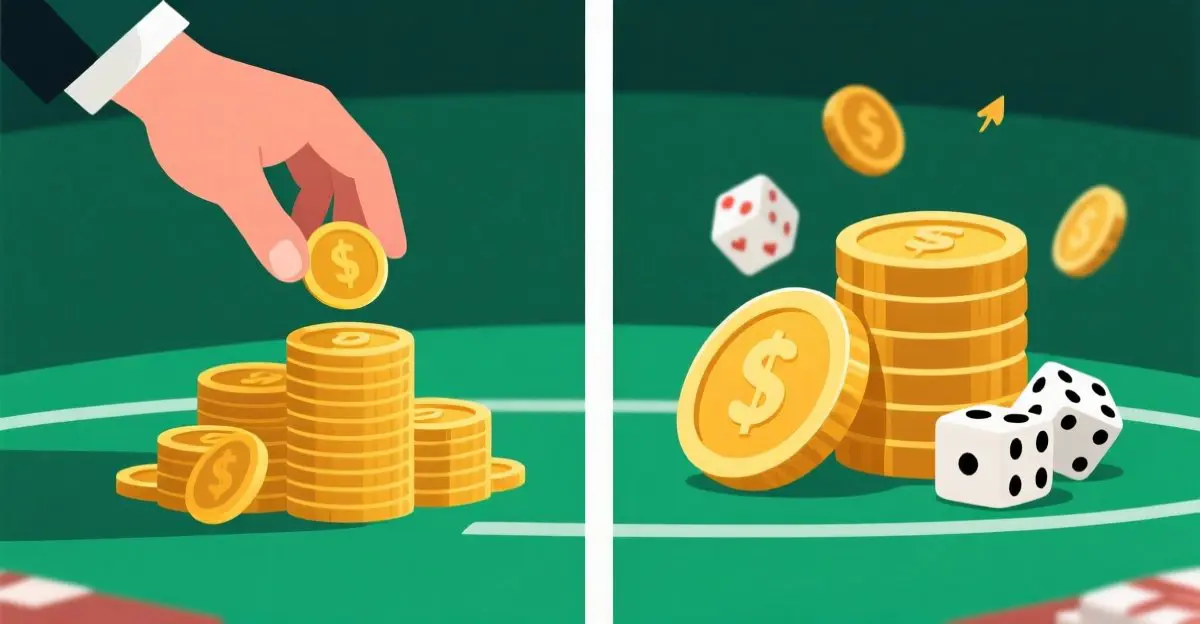
Just as important as knowing when to use cash out is knowing when to steer clear. There are certain situations where hitting that yellow button's almost certainly the wrong move.

Don't Cash Out Because You're Scared

This is the biggest trap bettors fall into. Your team leads 1-0, you see the cash out offer, and you take it immediately because you're worried about what might happen. But fear's a terrible advisor. If you're going to panic-cash out the moment things get tense, you'd be better off not placing the bet in the first place.

The key is deciding your cash out strategy before kick-off. Under what circumstances would you consider cashing out? What offer would make it worthwhile? Having a plan stops you making emotional decisions when the pressure's on.

Don't Accept Terrible Offers

Sometimes the bookmaker's cash out algorithm gets greedy. You might be offered something that's clearly nowhere near your bet's true value. If you can see live odds from other bookies and the cash out offer includes a ridiculous margin, you're better off either letting it run or looking into hedging your bet elsewhere.

Don't Make It a Habit

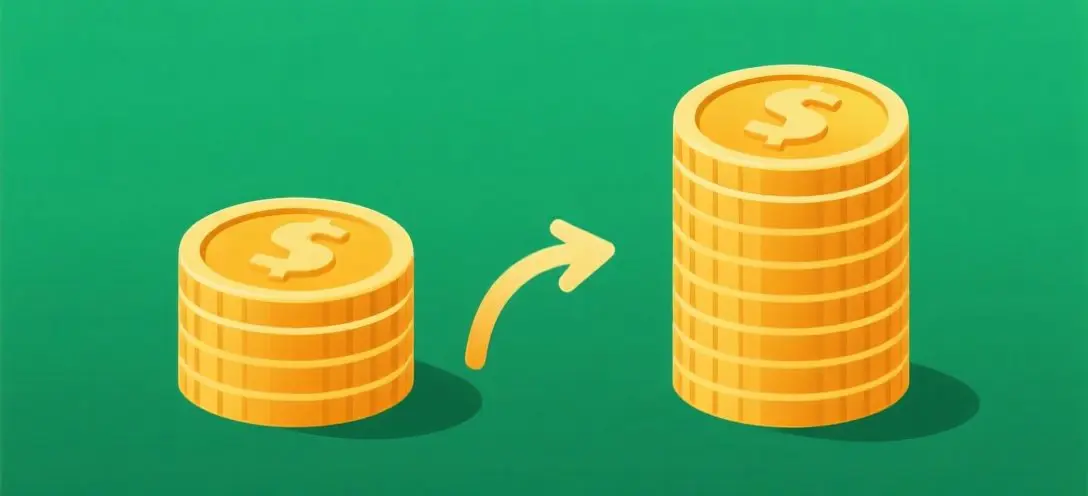
Some bettors hit the cash out button without thinking. They haven't let a bet run to completion in years. If that's you, understand that you're systematically destroying your long-term chances of making money. Every cash out chips away at your expected value, and over time those small losses add up to a serious hole in your profits.

Hedging vs Cash Out: The Hidden Alternative

Here's something most casual bettors don't realise: cash out isn't your only way to secure a profit mid-game. You can often do better by hedging - betting on the opposite outcome at a different bookmaker.

Going back to that example where you were offered £140 to cash out your £100 bet. Instead of taking that offer, you could place a bet on the other team at a different sportsbook. By betting £50 on the opposition at 4.00 odds, you'd guarantee yourself £50 profit whichever team wins - better than the £40 you'd get from cashing out.

This approach means having accounts at multiple bookmakers and being comfortable with slightly more complex betting mechanics. But if you're serious about maximising your returns, it's worth learning how to hedge properly rather than automatically hitting the cash out button.

The Psychology of Cash Out: Why It's So Tempting

Let's be honest about why cash out's so popular. It's not because it's mathematically optimal - it's because it feels brilliant to lock in a winner. That dopamine hit when you confirm the cash out and see the money hit your account is real.

But this is exactly what bookmakers are counting on. They know bettors are driven by emotion. They know guaranteed money triggers something primal in our brains. And they've designed cash out to exploit those psychological weaknesses.

Research by gambling psychologists has found that cash out has transformed sports betting from a stop-start activity (place bet, wait for result, win or lose) into a continuous one that resembles stock market trading. Every moment you don't cash out is effectively a new decision, and this can lead to obsessive behaviour where you're glued to your phone, constantly refreshing your bet slip.

The key is awareness. Understanding that your brain's wired to prefer certainty over long-term optimisation can help you make more rational decisions. When you feel that urge to cash out, pause and ask yourself: am I doing this for good strategic reasons, or am I just chasing that dopamine hit?

Decision tree flowchart for when to cash out during live betting
A simple framework for making smart cash-out decisions in real-time
ℹ️

Responsible Gambling: When Cash Out Becomes a Problem

Warning signs that cash out might be becoming an issue:

  • You find yourself compulsively checking your betting app constantly during matches
  • You've increased your stakes because the cash out safety net makes you feel protected
  • You rarely, if ever, let a bet run to its natural conclusion
  • You feel genuine anxiety when the cash out option's suspended during key moments
  • You're chasing losses by cashing out early and immediately placing new bets

If any of this rings true, it might be time to step back and reassess your relationship with betting. There's no shame in seeking help, and organisations like GamCare provide excellent resources for anyone worried about their gambling.

Cash Out Strategy: A Simple Decision Framework

So how do you actually make smart cash out decisions in real-time? Here's a straightforward framework you can use:

Before the match:

  1. Decide what would count as a good cash out offer for you
  2. Identify scenarios where you'd consider cashing out
  3. Ask yourself if you're disciplined enough to stick to your plan

During the match:

  1. Take a breath - never cash out on impulse
  2. Look at what's actually happening on the pitch, not just the score
  3. Compare the cash out offer with what you could get by hedging elsewhere
  4. Consider whether this is life-changing money or just another bet

After making your decision:

  1. Don't second-guess yourself
  2. If you cashed out, move on to the next opportunity
  3. If you let it ride, accept the outcome whatever happens
Side by side comparison of cash-out versus hedge betting strategy
Hedging your bet at another bookmaker can beat the cash-out offer

Conclusion: Use Cash Out Strategically, Not as a Crutch

Cash out isn't inherently good or bad - it's just a tool. Used carefully, it can help you manage variance, lock in profits on uncertain outcomes, and sleep better at night. Used indiscriminately, it will silently erode your edge and make long-term profitability nearly impossible.

The professional bettors who consistently make money understand this. They might use cash out a few times a year, in specific situations where certainty outweighs the mathematical cost. They never cash out automatically, and they certainly don't build their betting strategy around it.

For the rest of us, the goal should be mindful usage. Be aware of what you're giving up every time you hit that yellow button. Understand that the bookmaker wouldn't offer the feature if it didn't make them money. And most importantly, have a plan rather than letting emotions drive your decisions.

Cash out can be a useful addition to your betting toolkit - but only if you treat it as a strategic option rather than a safety net. Use it wisely, use it sparingly, and your betting bankroll will thank you in the long run.

Professional headshot of Caleb Harrington, Senior Football & Betting Analyst

Caleb Harrington

Senior Football & Betting Analyst

Caleb Harrington is an experienced sports analyst and writer with over 8 years of expertise in football betting markets and tennis predictions. A graduate of Sports Journalism, Caleb combines deep statistical knowledge with an engaging writing style to make complex betting concepts accessible to all readers. He's particularly known for his data-driven approach to Premier League analysis and his insightful coverage of major tennis tournaments. When he's not analyzing odds or writing match previews, Caleb enjoys exploring emerging trends in sports betting technology and strategy.