Chelsea FC: The Complete Story of The Blues

Chelsea FC: The Complete Story of The Blues

Jump to section

Introduction

There's something special about Chelsea Football Club. Maybe it's the way they transformed from a West London outfit with modest ambitions into one of England's most decorated teams. Or perhaps it's the drama – those unforgettable Champions League nights, the fierce rivalries, the legends who became more than just players.

Whatever draws you to Chelsea, there's no denying this: the story of The Blues is one of the most compelling in football.

From Pensioners to Blues: How Chelsea Found Its Identity

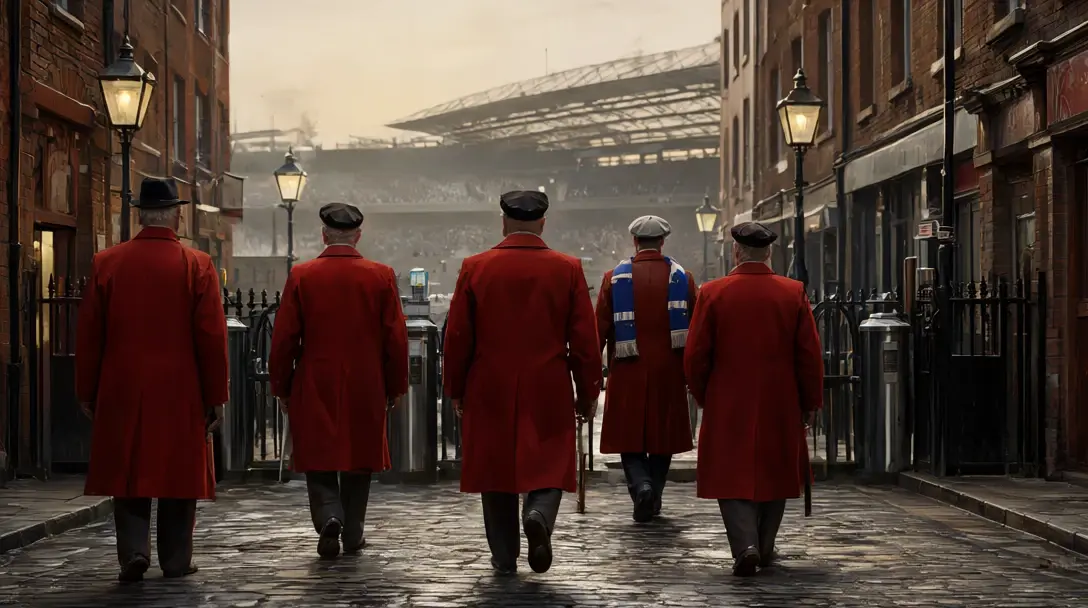
When Chelsea formed in 1905, nobody could have predicted what the club would become. For nearly fifty years, they were known as "The Pensioners" – a quirky nickname that tied them to the Chelsea Pensioners, the retired soldiers living at the nearby Royal Hospital Chelsea.

It was a different time. The Pensioners would come to watch matches, decked out in their distinctive red coats, and the club embraced this connection. But by the 1950s, manager Ted Drake decided Chelsea needed a fresh start. Out went the Pensioners identity, and in came something sleeker, sharper: The Blues.

The rebranding worked. In 1955, Chelsea captured their first league title, and while another championship wouldn't follow for fifty years, the foundation was laid for something extraordinary.

Stamford Bridge: More Than Just a Stadium

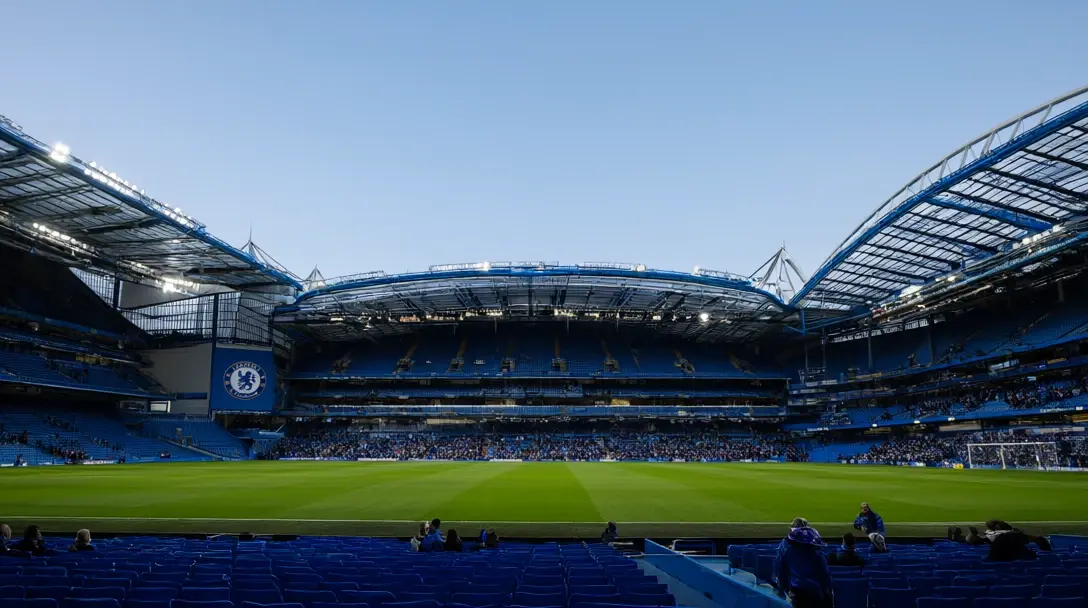
Walk around Fulham on matchday, and you'll feel it before you see it. That buzz in the air, the sea of blue shirts making their way toward Stamford Bridge.

The ground's been there since 1877 – nearly three decades before Chelsea even existed. It's witnessed everything from early 20th-century football to modern European nights. With space for around 40,000 supporters, it's not the biggest stadium in England, but ask anyone who's been there on a European night and they'll tell you: atmosphere isn't about size.

Stamford Bridge at a Glance:

  • Current Capacity: Approximately 40,341-41,837 spectators
  • Location: Fulham, West London, England
  • Pitch Size: 103 x 67.5 metres
  • Year Built: 1877 (Chelsea moved there in 1905)
  • Notable Feature: One of England's twelve largest football stadiums

Stamford Bridge's got character. Whether it's the Shed End bouncing or the away section tucked in one corner, the stadium feels like home – which is exactly what it is. There are even plans to expand it to 60,000 seats, which would make it one of Europe's genuine heavyweight venues.

The Trophy Cabinet That Changed Everything

Here's the thing about Chelsea's success: it didn't happen gradually. It exploded.

For most of the 20th century, Chelsea were a decent top-flight team who occasionally challenged for honors. Then came 2003. Then came Roman Abramovich.

Suddenly, a club that had won one league title in its entire history was operating in a different stratosphere. The investment poured in, the world-class players arrived, and the trophies started piling up.

Domestic Dominance

  • 6x Premier League/First Division Titles (1955, 2005, 2006, 2010, 2015, 2017)
  • 8x FA Cup Winners
  • 5x League Cup Winners
  • 4x Community Shield Winners

European Excellence

Perhaps most impressively, Chelsea have become England's most successful club in European competition:

  • 2x UEFA Champions League Winners (2012, 2021)
  • 2x UEFA Europa League Winners
  • 2x UEFA Cup Winners' Cup Winners
  • 2x UEFA Super Cup Winners
  • 1x FIFA Club World Cup Winner
  • 1x UEFA Conference League Winner (2025)

That 2025 Conference League triumph secured Chelsea's place in football history as the first English club to win all five major UEFA competitions – an achievement that may never be matched.

Football trophies in blue and gold
Chelsea's impressive trophy collection celebrating their success

The Players Who Became Legends

You can't tell Chelsea's story without talking about the players who defined it. And Chelsea have had some absolute icons.

Frank Lampard

Frank Lampard isn't just the greatest player in Chelsea's history – he's the heartbeat of their modern era. Thirteen years, 211 goals (for a midfielder!), and the kind of consistency that most players can only dream of. When you think Chelsea, you think Lampard.

John Terry

If Lampard was the heartbeat, John Terry was the soul. A one-club man who spent nineteen years at Chelsea, Terry was the defensive leader who threw his body on the line for the cause. His partnership with Lampard formed the spine of Chelsea's greatest teams, and he captained the club to multiple trophy wins.

Didier Drogba

A cult hero doesn't quite cover it. Drogba was built for the big moments. That equalizer in the 2012 Champions League final? That was Drogba. The winning penalty in the shootout? Drogba again. He scored in every single cup final he played for Chelsea. Every. Single. One.

Eden Hazard

Often described as the most talented player to represent Chelsea, Eden Hazard spent seven years at Stamford Bridge weaving his magic. His dribbling skills and creativity brought joy to fans and terror to defenders, playing a key role in multiple Premier League title wins.

Other Chelsea Legends

  • Petr Čech: Goalkeeping great with record-breaking clean sheets
  • Gianfranco Zola: Fan favorite who embodied Chelsea's attractive style
  • Claude Makelele: Defensive midfielder who revolutionized the position
  • Ashley Cole: One of England's best left-backs

The Rivalries That Define Chelsea

Football isn't just about what you win – it's about who you beat. And Chelsea have built some proper rivalries over the years.

Chelsea vs Arsenal

This one runs deep. Both clubs have dominated English football at different points, both have spent serious money, and both genuinely dislike each other. The matches are intense, the tackles are flying, and the atmosphere is electric. Since first meeting in 1907, these two have been locked in competitive combat.

Chelsea vs Tottenham

Geographically, it doesn't make much sense (Tottenham are in North London, after all). But football rivalries aren't always about geography. These games are spicy, and Chelsea usually come out on top – with 37 Premier League wins against Spurs. The competition for European places ensures this fixture always delivers drama.

Chelsea vs West Ham United

Now this is a proper West London derby. Two clubs from the same part of London, going at it. West Ham might not have Chelsea's trophy cabinet, but they make up for it in passion. These matches are never, ever dull.

The Ownership Rollercoaster

If you want to understand modern Chelsea, you have to understand the ownership story.

The Roman Abramovich Era (2003-2022)

When Russian businessman Roman Abramovich purchased Chelsea for £140 million in 2003, English football changed forever. Abramovich invested over £2 billion in players, transforming Chelsea from a team challenging for the top four into a club that expected to win everything.

Over 19 years, Abramovich's ownership delivered:

  • 5 Premier League titles
  • 2 Champions League trophies
  • Multiple domestic cups
  • A reputation as one of Europe's elite clubs

The era ended dramatically in 2022 when the UK government sanctioned Abramovich following Russia's invasion of Ukraine, forcing a rapid sale.

The BlueCo Era (2022-Present)

American businessman Todd Boehly, leading the BlueCo consortium (which includes Clearlake Capital), purchased Chelsea for £4.25 billion – a British record. The new owners have taken a markedly different approach:

  • Heavy investment in young players
  • Emphasis on analytics and player development
  • Multi-club ownership model exploration
  • Squad rotation and rebuild

The early results have been mixed, but the vision is clear: build a sustainable winner for the modern era.

The Badge, The Colors, The Identity

You know a Chelsea shirt when you see it. That iconic blue, the lion on the badge – it's distinctive.

Why Are Chelsea Called "The Blues"?

Chelsea's iconic blue kit has been their trademark for over a century. The colors were inspired by the racing colors of Lord Cadogan, the club president at its founding. Combined with white, yellow, and red accents, Chelsea's blue has become one of football's most recognizable brands.

The nickname "The Blues" was adopted in the 1950s when Ted Drake modernized the club, moving away from "The Pensioners" identity.

Badge Evolution Through History

The Chelsea badge has undergone several transformations:

  • Original (1905-1950s): Chelsea Pensioner imagery
  • Ted Drake Era (1950s-1960s): Lion holding a staff
  • 1960s: Three red roses and two footballs (first crest on shirts)
  • 1970s-1980s: Naturalistic white lion
  • Modern (Present): The iconic blue lion with yellow accents

Despite these changes, the core colors – blue, white, yellow, and red – have remained constant, linking every era of Chelsea's history.

The Fan Culture

Chelsea supporters are known for their passion and loyalty. The connection to the Chelsea Pensioners remains strong, with the club honoring this relationship to this day. Stamford Bridge on matchday is an intimidating venue for visiting teams, with fans creating an atmosphere that reflects both the club's history and its modern ambitions.

ℹ️

Interesting Facts About Chelsea

Here are some fascinating facts about Chelsea FC that even die-hard fans might not know:

**First Club to Win All Five UEFA Competitions**: Chelsea's ...

First Club to Win All Five UEFA Competitions: Chelsea's 2025 Conference League win made history – no English club had previously won the Champions League, Europa League, Cup Winners' Cup, Super Cup, and Conference League.

Stamford Bridge is Older Than the Club: The stadium (1877) predates Chelsea FC (1905) by 28 years.

The Pensioners Connection: For 47 years, Chelsea were known as "The Pensioners" – a legacy still honored today through the club's relationship with the Royal Hospital Chelsea.

Champions League Specialists: Despite occasional domestic struggles, Chelsea have repeatedly risen to the occasion in Europe, winning the Champions League twice against all odds (2012 vs Bayern Munich, 2021 vs Manchester City).

Frank Lampard's Record: Lampard is Chelsea's all-time leading scorer with 211 goals, remarkable for a midfielder.

What's Next for Chelsea?

Right now, Chelsea are in transition. The new owners are spending huge money on young talent, the stadium might be getting bigger, and there's a sense that a new chapter is being written.

Will it work? Ask five different Chelsea fans, and you'll get five different answers. But here's what everyone agrees on: Chelsea aren't going away. They're too big, too successful, too ambitious to settle for being average.

The Blues keep marching on. And with their history, their fanbase, and their resources, you wouldn't bet against them adding a few more chapters to an already incredible story.

Whether you're a lifelong Blue or new to football, Chelsea's story is one of the most compelling in the sport – a tale of transformation, resilience, and ultimately, glory. The best part? We're all just watching it unfold.

Explore More Football Content

FA Cup Betting Guide 2025: Upsets, Tips & Winning Strategies
With Chelsea's impressive record of 8 FA Cup wins, understanding FA Cup betting markets can add extra excitement to the world's oldest football competition.

Championship Betting Guide 2026: Strategies, Tips & Expert Insights
For those interested in English football beyond the Premier League, our Championship guide covers promotion, relegation, and betting strategies.

How VAR Affects Football Betting Markets: Complete Guide
Modern football has been transformed by VAR. Learn how video reviews impact betting markets and strategies to protect your wagers.