Derby Betting Guide: Strategy Tips for Football Rivalry Matches

Derby Betting Guide: Strategy Tips for Football Rivalry Matches

Jump to section

The Tarkowski Moment

When Everton defender James Tarkowski smashed home an injury-time equalizer against Liverpool in February 2025, he did more than secure a dramatic point for his struggling side. He illustrated everything that makes derby betting uniquely challenging - and potentially profitable - for those who understand the hidden dynamics at play.

Liverpool were overwhelming favorites. They sat top of the Premier League, hunting the title. Everton languished near the relegation zone. By every conventional metric - form, squad quality, season-long statistics - Liverpool should have won comfortably. The markets priced them accordingly.

But football rivalry betting doesn't follow conventional rules.

The final Goodison Park Merseyside Derby finished 2-2, delivering a result that confounded form guides and rewarded punters who understood that emotional intensity, local pride, and tactical caution can override everything else in these special fixtures.

This guide will show you how to approach rivalry matches strategically, identify value in unpredictable games, and avoid the common mistakes that separate successful bettors from frustrated ones.

What Makes Derby Matches Different

A derby is more than a football match. It's a collision of geography, history, identity, and pride that creates conditions unlike any other fixture in the sporting calendar.

Whether it's Manchester United against Manchester City, Real Madrid facing Barcelona, or Boca Juniors battling River Plate, these matches operate under different psychological and tactical rules than regular league games.

Three things set betting on derby matches apart: emotional intensity, cultural significance, and unpredictability. These are matches charged with passion that can throw form and statistics "out the window." They transcend sport - becoming cultural events tied to regional identity, historical grievances, and community pride.

This emotional intensity creates a fundamental challenge for bettors: the factors that normally predict football results become less reliable when two local rivals meet.

Factor Impact on Match
Form Irrelevance In-form teams can struggle against underdog rivals due to elevated motivation levels
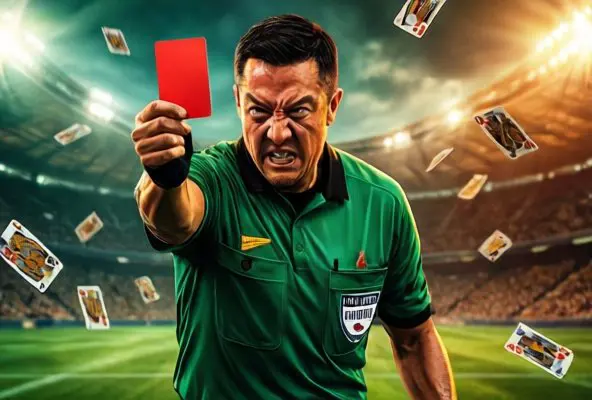
Discipline Issues Higher rates of yellow and red cards due to heated atmosphere
Tactical Surprises Managers experiment with unexpected formations and player roles
Fan Influence Home advantage is magnified significantly through crowd pressure
Psychological Pressure Teams carry disproportionate importance beyond league points
Unpredictability Factors in Derby Betting - Source: 1960Tips, Betting.co.uk analysis (2025)

The Psychology of Derby Betting

Underdog Motivation Spike

Everton's derby performances consistently exceed what their season-long form suggests. Teams near the bottom of the table rise to the occasion against fiercer rivals, fueled by pride and the knowledge that this single match means more to supporters than almost any other.

The motivation differential means derby performances regularly exceed baseline quality expectations. A team fighting relegation may play their best football of the season against a local rival, then return to poor form the following week.

This creates immediate derby betting implications. Backing overwhelming favorites in derbies, regardless of the quality gap, carries significant risk. The psychological dynamics level the playing field in ways that squad valuations and recent results can't capture.

Favorite Pressure Dynamics

The burden of expectation weighs differently on favorites in derby matches. Overwhelming favorites face pressure not just to win, but to dominate and win convincingly. When underdogs frustrate expectations through defensive organization, favorites show visible frustration that affects decision-making on the pitch.

Liverpool's superior quality doesn't translate to comfortable victories against Everton. The psychological weight affects both teams differently - for Liverpool, losing feels frustrating but doesn't derail their season, while for Everton, derby results carry disproportionate importance to fans and players.

Market Analysis

Derbies attract more 'emotion betting,' so odds often shift faster and get a little worse for the side most fans are backing.

20Bet Blog

How Emotions Distort Betting Markets

This market distortion creates opportunities for objective bettors practicing smart derby betting strategy. Fan betting volume can skew markets, meaning a team may be overvalued simply because supporters back them emotionally. The key is recognizing when odds reflect passion rather than probability.

Bookmakers know fans will bet the rivalry favorite or "fun" angles like goals. They adjust prices accordingly. This means the emotional favorite is often priced shorter than their true chances warrant, while the underdog or draw may offer genuine value.

Underdog team celebrating dramatic derby goal
Underdog teams often rise to the occasion in derby matches

The Card Market Opportunity

The statistics back this up dramatically. In the Hudson River Derby between NYCFC and NY Red Bulls, 30 meetings produced 877 fouls (29.2 per match) and 12 red cards (0.40 per match). The MLS league-wide averages are 24.3 fouls per match and 0.16 red cards per match.

That's approximately 20% more fouls and 150% more red cards than average.

Academic research confirms the pattern: "There are significantly more yellow cards awarded in a derby match." Home teams tend to collect fewer cards when playing on home turf, but the overall elevation in disciplinary action is consistent across most rivalries.

For bettors, this makes card markets some of the most reliable derby betting opportunities. Total cards over the league average, and even red card markets in select derbies, offer value that's grounded in consistent historical patterns.

Here's where blanket assumptions fail in betting on derby matches. Goal patterns vary dramatically between rivalries.

Goal-Chaos Rivalries:

El Trafico (LA Galaxy vs LAFC) averages 4.35 goals per game across 26 all-time meetings. The MLS average is 3.02 goals per match. That's 44% more goals than average in this particular derby.

Low-Scoring Rivalries:

The Superclasico (Boca Juniors vs River Plate) tells the opposite story. Seven of the last eight Superclasicos ended with under 2.5 goals since 2021. These are tight, tense affairs with defensive priority overwhelming attacking intent.

The Merseyside Derby similarly produces lower totals than Liverpool's season-long scoring suggests. Tactical caution from Everton limits scoring opportunities despite Liverpool's attacking quality.

Late Goal Frequency:

One pattern that appears across multiple rivalries is late goals. Neither team accepts defeat easily, and as legs tire in the final twenty minutes, matches can open up dramatically.

Real Salt Lake vs Colorado (May 18, 2024) produced an extraordinary example: RSL scored three goals after the 84th minute to win 5-3. Cascadia Cup games are often decided by late execution - intensity stays high, legs go, and matches open sharply after the 70th minute.

The Home Advantage Paradox

The Home Advantage Paradox

Conventional wisdom suggests home advantage is magnified in derbies. The data tells a more complicated story for football rivalry betting.

In El Clasico since 2004/2005, the away team has a higher win percentage at BOTH venues. Real Madrid at the Santiago Bernabeu sees Barcelona win more often. Barcelona at Camp Nou sees Real Madrid win more often.

At Goodison Park, Everton consistently performed above their general form level. The atmosphere can genuinely be a "twelfth man" - energy from chants, banners, and noise creates unique pressure.

The lesson is clear: home advantage may be rivalry-specific rather than a universal derby rule. Research individual rivalry patterns rather than assuming a home edge.

Referee showing red card in intense derby match
Derby matches typically produce 20% more fouls and 150% more red cards

Famous Derby Case Studies

Manchester Derby (Manchester United vs Manchester City)

All-Time Record:

  • Total matches: 198
  • Manchester United wins: 81 (40.9%)
  • Manchester City wins: 62 (31.3%)
  • Draws: 55 (27.8%)

United leads historically, but City has dominated recent years with 6 wins from the last 10 meetings. The rivalry has produced dramatic swing results: United 6-1 City, United 5-0 City, and City 6-3 United.

For bettors, this rivalry demonstrates how power shifts affect pricing. Historical dominance means nothing when recent form and squad quality favor the opposite side.

El Clasico (Real Madrid vs Barcelona)

Historical Record:

  • Real Madrid: 95 wins (40%)
  • Barcelona: 91 wins (39%)
  • Draws: 49 (21%)
  • Total meetings: 235

The remarkable evenness of this rivalry - Barcelona 25 wins, Real Madrid 24 wins since 2004/2005 - makes it one of the most challenging for match result betting. Home advantage doesn't apply, and matches range from tight tactical battles to emphatic blowouts.

The October 2025 meeting saw Real Madrid win 2-1, ending a four-game losing streak in the rivalry. Even with xG data showing close tactical battles, scoreline variance remains high.

More Derby Case Studies

North London Derby (Arsenal vs Tottenham)

All-Time Record:

  • Total meetings: 198
  • Arsenal wins: 84 (42%)
  • Tottenham wins: 61 (31%)
  • Draws: 52 (26%)

Arsenal's recent dominance is striking: unbeaten in the last 14 derbies (9 wins, 5 draws - 64% win rate). Arsenal have scored 34 goals and conceded 17 in this run.

Yet clean sheets remain rare (only 2 in 14 matches). Both teams score frequently despite Arsenal's dominance, making BTTS a consideration even when the match result seems predictable.

Merseyside Derby (Liverpool vs Everton)

Liverpool's quality superiority rarely translates to comfortable victories. Everton's defensive organization frustrates Liverpool's rhythm, and set pieces carry outsized importance due to Everton's physical presence.

Key derby betting patterns include:

  • Both Teams to Score hits regularly, but high-scoring affairs remain rare
  • Late goals appear with unusual frequency
  • Red cards and contentious officiating occur more than in normal matches
  • Draws at odds exceeding 4.00 provide mathematical value

Superclasico (Boca Juniors vs River Plate)

Known as one of the world's most intense rivalries, the Superclasico produces tight, defensive affairs. Seven of the last eight matches ended under 2.5 goals.

Odds typically remain close (Boca +148, River +230, Draw implied 33%), reflecting the genuine unpredictability. This is a rivalry where backing unders has been a consistently profitable approach.

Rival fans in divided stadium atmosphere
The intense atmosphere of derby matches creates unique betting dynamics
Market Why It Works Confidence
Draw / Double Chance Mitigates risk in unpredictable matches High
Both Teams to Score (BTTS) Both sides create chances despite tactical caution High
Total Cards Over/Under Reflects physical, heated nature High
Asian Handicap (+1 or +1.5 on underdog) Captures underdog motivation without outright risk Medium-High
Red Card in Match Passion often leads to dismissals Medium
Correct Score 1-1 or 2-1 Close games with tight scorelines common Medium
Best Markets for Derby Betting

Strategic Principles

Strategic Principles for Derby Betting Tips

1. Avoid Heavy Favorites

Even dominant teams struggle in derbies. Instead of backing favorites at short odds, look at Asian Handicap markets. The underdog +1 or +1.5 captures the motivation differential without requiring an outright upset.

2. Consider Draw Bets

Many derbies end in draws or one-goal margins. Bookmakers offer generous odds for draws in derby contexts because casual bettors avoid them. A draw at 4.00+ often provides mathematical value.

3. Target Card Markets

Historical data shows consistent high card counts in specific derbies. Check the referee's historical approach to derbies, and consider individual player card markets for notoriously aggressive players.

4. Focus on First Half Markets

Emotions run highest in the first 45 minutes. Betting on goal in first 10 minutes or first half goal lines can capture this intensity. Many derbies start tight and cautious before opening up later.

5. Use Live Betting

Watch the match to gauge actual tempo and territory. Derby odds swing dramatically based on match flow. Waiting to observe early dynamics before committing reduces risk significantly - see our live betting guide for more strategies.

6. Research the Referee

Different referees handle derby pressure differently. Some allow physical battles to flow; others clamp down early with cards. Referee tendencies in normal matches may not predict their derby approach.

Market Risk Factor
Heavy Favorites (straight win) Odds often undervalue underdog motivation
High Goal Lines (Over 3.5+) Tactical caution limits scoring
Accumulators Including Derbies One upset ruins entire ticket
Player Goal Scorer (favorites) Defensive setup may limit clear chances
Markets to Approach with Caution

Common Mistakes to Avoid

Psychological Errors in Emotional Matches Betting

Chasing Losses: Placing another bet immediately after losing to recoup money leads to decisions made under anger rather than strategy. This is particularly dangerous in volatile derby environments.

Confirmation Bias: Focusing on information supporting existing beliefs while ignoring injuries or bad form because of team loyalty. This is especially dangerous when betting on your supported team.

Recency Bias: Over-weighting recent events like one big win rather than the bigger picture. Betting on a team after a 4-0 win without considering opponent quality is a common error.

Fear of Missing Out: Betting because "everyone" is backing a certain team, or following tips without personal analysis, often leads to poor decisions.

Analytical Errors in Rivalry Betting

Over-Reliance on Form: Using season-long statistics without derby-specific adjustment ignores that form often doesn't translate to derby contexts.

Ignoring Tactical Adjustments: Teams approach derbies differently tactically. Failing to anticipate defensive setups from underdogs is a significant oversight.

Neglecting Contextual Factors: Weather conditions affect direct and physical teams differently. Injury news, lineup changes, fixture congestion, and midweek European matches all matter more in derby contexts.

Bankroll Errors

Over-Staking on Single Derbies: Treating derby bets like regular fixtures without accounting for elevated variance leads to outsized losses.

Including Derbies in Accumulators: One derby upset can ruin an entire acca ticket. Derbies should typically be treated as standalone bets.

Betting on Your Supported Team: Emotions cloud judgment. The recommendation is straightforward: bet on derby teams you have no affiliation with.

Bankroll Management

Core Principles

Unit-Based Staking: Divide your bankroll into units, typically 1-2% per unit. If your bankroll is $500, one unit equals $5-$10. This maintains consistency regardless of confidence levels.

Conservative Derby Sizing: Use smaller stakes for derby bets than regular fixtures. Flat staking between 1-2% of bankroll on individual derby positions is advisable. The elevated variance requires accepting multiple losses before eventual wins.

Separate Bankroll: Keep betting funds separate from normal income and savings. This helps avoid unintentional overspending during emotional matches.

Risk Management Strategies

Hedging Opportunities: Derby odds swing dramatically based on goals and match flow. Take a pre-match position on the underdog, and hedge if they take an unexpected lead. Back the draw pre-match, and hedge if the match remains scoreless late.

Portfolio Approach: Spread smaller stakes across multiple markets rather than one large bet. Diversify across draw betting, BTTS, player props, and card markets. Some positions will lose, but overall returns can remain positive.

Loss Limits: Set weekly or daily loss limits before derby day. Quit betting if the limit is reached regardless of remaining matches. Never increase stakes after losses.

Win Targets: Set win targets to stop overstepping and giving profits back. Step away after big wins to avoid overconfidence betting.

Long-Term Mindset for Rivalry Betting Success

Derby-specific edges compound across years when patterns persist. Track results across multiple seasons for meaningful sample size. Small sample sizes within seasons make judging strategy success difficult.

Record keeping is essential. Track every derby bet: amount, reason, and result. Review to spot patterns and recognize mistakes. This determines whether your strategy actually works.

Treat betting as a business. Every wager should be a calculated risk, not an emotional decision. Focus on the quality of your decision-making process, not short-term results. Even professional bettors win only 40-45% of bets.

Factor What to Check
Head-to-Head (Last 5) How often draws? Who dominates at home? Score patterns?
Average Card Count Is referee known for being strict? Historical derby card averages?
Disciplinary History Players prone to red cards? Derby experience levels?
Goals Timing First vs second half goal patterns? Late goal frequency?
Team News Injuries, suspensions, lineup changes
Motivation Factors League position stakes, recent form, "must-win" scenarios
Weather Wind/rain affects direct teams vs possession teams differently
Referee Assignment Historical derby approach, strictness tendencies
Fixture Congestion Midweek European matches, travel, squad rotation
Pre-Match Derby Betting Checklist

Tactical and Contextual Considerations

Tactical Considerations

Defensive Setup: Will the underdog play a deep defensive block? Does the favorite struggle against packed defenses? What's the set piece threat from both sides?

Counter-Attack Potential: Does the favorite's attacking approach create space for counters? What's the underdog's transition quality? Is there a speed differential in forward lines?

Substitution Patterns: Managers typically make attacking substitutions earlier when trailing in derbies. Defensive substitutions when protecting leads can invite pressure.

Contextual Analysis

Stakes and Motivation: Are there title race implications? Relegation battle? Is one team's season effectively over while the other fights for something? What historical baggage exists from recent results in the rivalry?

Crowd Factor: How intense is the home atmosphere? Does the away team thrive under hostility or crumble? Will stadium changes impact traditional patterns?

Momentum: How do recent results affect confidence? Are teams on winning or losing streaks? What's the psychological state after the previous derby result?

Key Takeaways

Derby betting requires fundamentally different analysis than regular matches. Form, quality, and statistics become less reliable predictors when emotional intensity enters the equation.

The emotional intensity of derbies creates both opportunities and risks. Underdog motivation, card markets, and draw value represent the key angles for finding an edge in football rivalry betting.

Each rivalry has unique characteristics that can't be ignored. El Trafico produces goal-fests; the Superclasico produces defensive battles. El Clasico reverses home advantage; the Merseyside Derby amplifies it. Universal rules don't apply.

Bankroll management becomes critical in these high-variance fixtures. Smaller stakes, portfolio approaches, and strict loss limits protect against the unpredictability that defines derby matches.

Live betting offers significant advantages. Watching match flow before committing reduces risk in matches where early dynamics often differ dramatically from pre-match expectations.

The punters who succeed in derby betting are those who keep clear heads, make informed decisions regardless of the occasion, and recognize that these special matches demand special approaches.

When James Tarkowski's injury-time equalizer hit the back of the net at Goodison Park, it wasn't just a dramatic moment in football. It was a reminder that in derby betting, expecting the unexpected isn't just advice - it's strategy.

Professional headshot of Caleb Harrington, Senior Football & Betting Analyst

Caleb Harrington

Senior Football & Betting Analyst

Caleb Harrington is an experienced sports analyst and writer with over 8 years of expertise in football betting markets and tennis predictions. A graduate of Sports Journalism, Caleb combines deep statistical knowledge with an engaging writing style to make complex betting concepts accessible to all readers. He's particularly known for his data-driven approach to Premier League analysis and his insightful coverage of major tennis tournaments. When he's not analyzing odds or writing match previews, Caleb enjoys exploring emerging trends in sports betting technology and strategy.