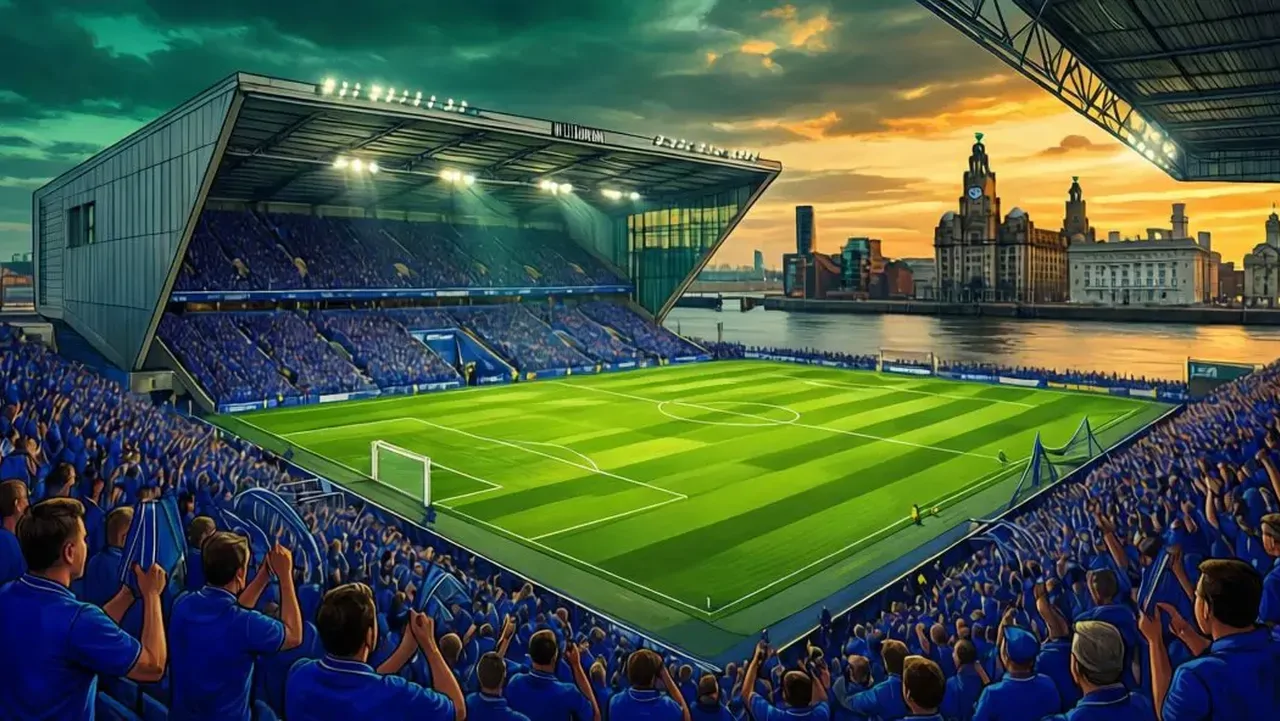
Everton's Hill Dickinson Stadium at Bramley-Moore Dock packed with fans on matchday

Everton FC Complete Guide: History, Stadium, Trophies & More (2026)

Jump to section

Introduction

When David Moyes walked back through the doors at Everton's training ground in January 2025, it wasn't just another managerial appointment. Everton FC were reconnecting with their identity while simultaneously stepping into the most transformative period in their 148-year history. After 133 years at Goodison Park, Everton had just moved to the state-of-the-art Hill Dickinson Stadium. The man who once transformed them from relegation candidates into top-four finishers was back. Could the "School of Science" truly return?

The answer looks promising. As March 2026 unfolds, Everton sit 8th in the Premier League table with 40 points from 28 games. For a club that spent the previous two seasons battling relegation and suffering points deductions, this represents remarkable progress. But to understand where Everton are going, you need to appreciate where they've been. That story begins nearly a century and a half ago, with a Methodist church and a group of men who decided Liverpool needed a football club.

Everton FC History: From St. Domingo's to Football League Founders

Everton FC's origins read like Victorian folklore. In 1878, the congregation of St. Domingo's Methodist Church in the Everton district of Liverpool formed a football team to give locals something to do during winter months. Originally called St. Domingo's FC, the club quickly outgrew its church roots. Within a year, they renamed themselves Everton FC to attract broader support beyond the parish.

The club's early years were defined by ambition. Everton became founding members of the Football League in 1888, one of just 12 clubs to establish what would become the world's most watched domestic competition. Four years later, they were among the 20 original clubs to form the Premier League in 1992. This dual distinction, being present at the birth of both competitions, is a record only one other club can claim.

But 1892 also brought the split that would define Liverpool football forever. A dispute over rent at Anfield led Everton to cross Stanley Park to Goodison Park. The owner of Anfield, John Houlding, was left with a stadium but no team. His solution? Found Liverpool FC. Without that rent dispute, the Merseyside derby might never have existed, and Liverpool FC as we know it might never have been born.

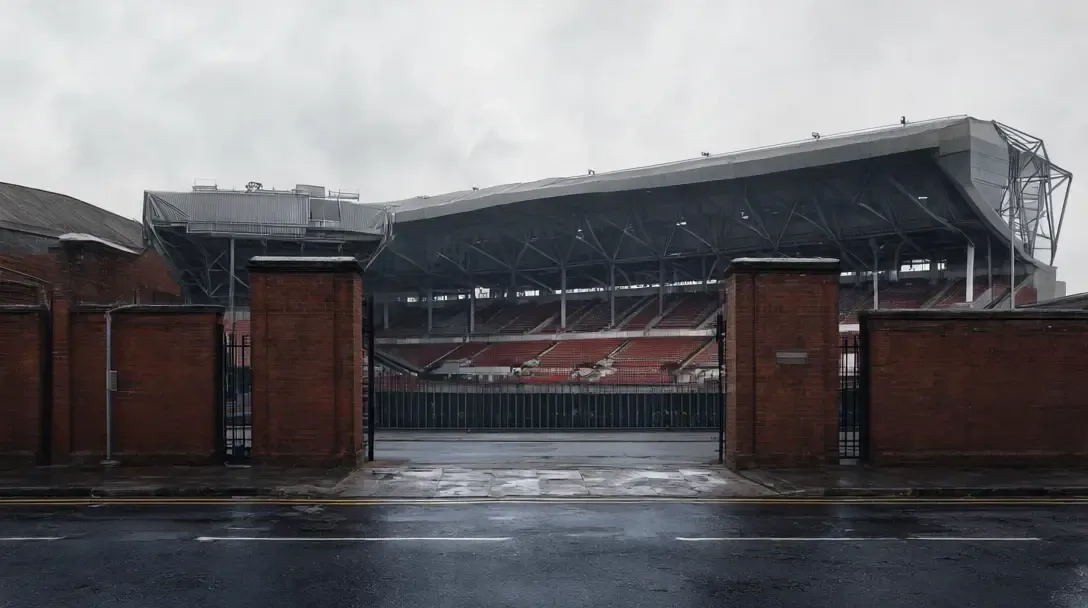
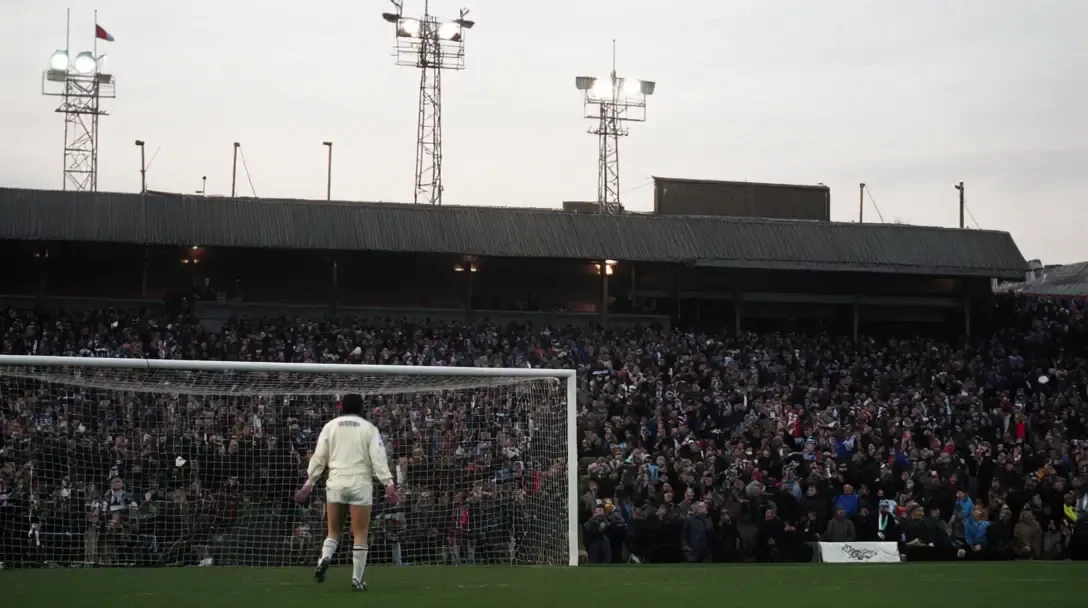
Goodison Park - Everton's historic home for 133 years
Goodison Park: The Grand Old Lady served as Everton's home for 133 years

Derby County & England Striker, 1928

They always manage to serve up football of the highest scientific order.

Steve Bloomer

The School of Science: Everton's Enduring Nickname

This quote from Derby County and England striker Steve Bloomer gave Everton their most evocative nickname: "The School of Science." It's a mantle they've worn proudly through various eras, from the championship-winning teams of the 1930s to Harry Catterick's stylish 1960s side and Howard Kendall's great team of the mid-1980s. The philosophy represents something deeper than just attractive football. It speaks to Everton's identity as a club that values craft, intelligence, and doing things the right way.

Goodison Park: The Grand Old Lady Bids Farewell

For 133 years, Goodison Park wasn't just Everton's home. It was their fortress, their sanctuary, and in many ways, their soul. Opened on August 24, 1892, with an athletics event before football took over, Goodison became one of the world's oldest purpose-built football grounds. Its traditional architecture, featuring double-decker stands on all four sides, created an atmosphere that visiting teams dreaded and home supporters cherished.

The statistics tell the story. More top division games have been played there than at any other ground in England. More international matches were hosted there than at any other league ground. The 1966 World Cup semi-final between West Germany and the Soviet Union unfolded on its hallowed turf. When Everton won their first championship in 1891, they did so at Anfield. But all eight subsequent league titles, all five FA Cup victories, and the 1985 Cup Winners' Cup triumph were celebrated at Goodison.

The nickname "The Grand Old Lady" wasn't just about age. It reflected the respect the ground commanded, the history embedded in its brickwork, and the generations of families who had occupied the same seats, passed down like heirlooms. Matchdays at Goodison were ritual, community, and belonging rolled into 90 minutes of nervous energy and occasional brilliance.

Hill Dickinson Stadium: Everton's New Home at Bramley-Moore Dock

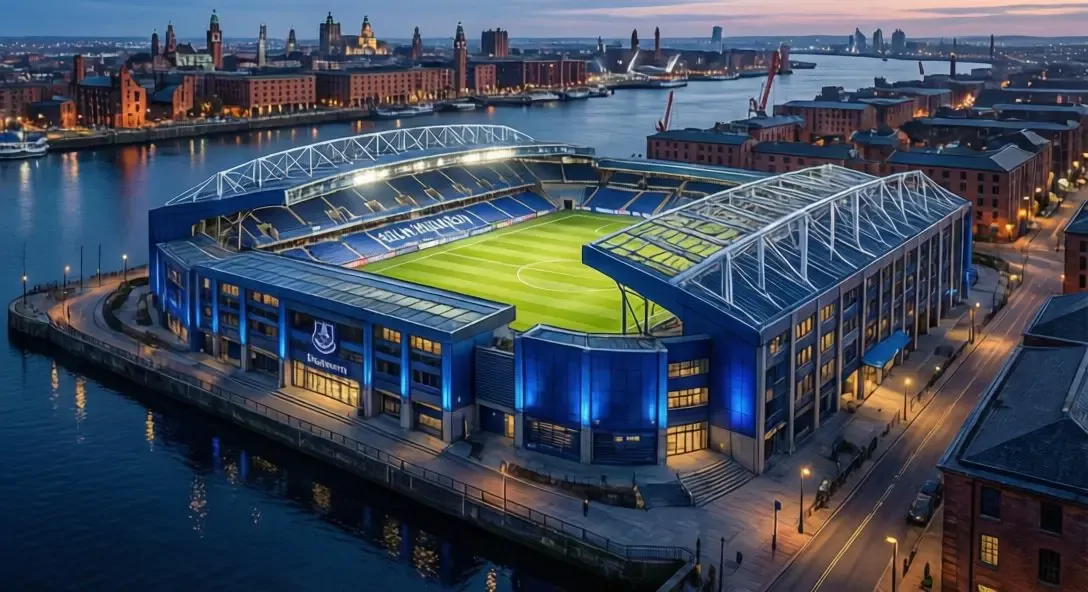
When Everton FC kicked off the 2025-26 season at the Hill Dickinson Stadium, they weren't just changing venues. They were transforming their entire operational reality. The new Everton stadium at Bramley-Moore Dock, with its capacity of 52,888, represents a GBP 500-750 million investment in the club's future. It's part of a broader mixed-use development that promises to regenerate a historic but neglected area of Liverpool's waterfront.

The increase from 39,414 seats at Goodison to nearly 53,000 at the new ground isn't just about numbers. It's about revenue potential, modern facilities, and competing in an era where stadium income can determine whether you challenge for Europe or battle relegation. The stadium was shortlisted for Stadium of the Year 2025, becoming the 62nd ground to host Premier League fixtures.

But change brings complexity. Goodison Park's atmosphere, its proximity to the pitch, the way noise seemed to press down on players - these things can't simply be replicated in modern construction. The early months at Hill Dickinson have shown promising signs, with supporters determined to transfer the spirit if not the bricks. Yet the emotional transition from one home to another will take years, not months.

Hill Dickinson Stadium - Everton's new home at Bramley-Moore Dock
Hill Dickinson Stadium: Everton's GBP 500-750 million new home opened for the 2025-26 season

Everton Nicknames: The Toffees, The Blues, and School of Science

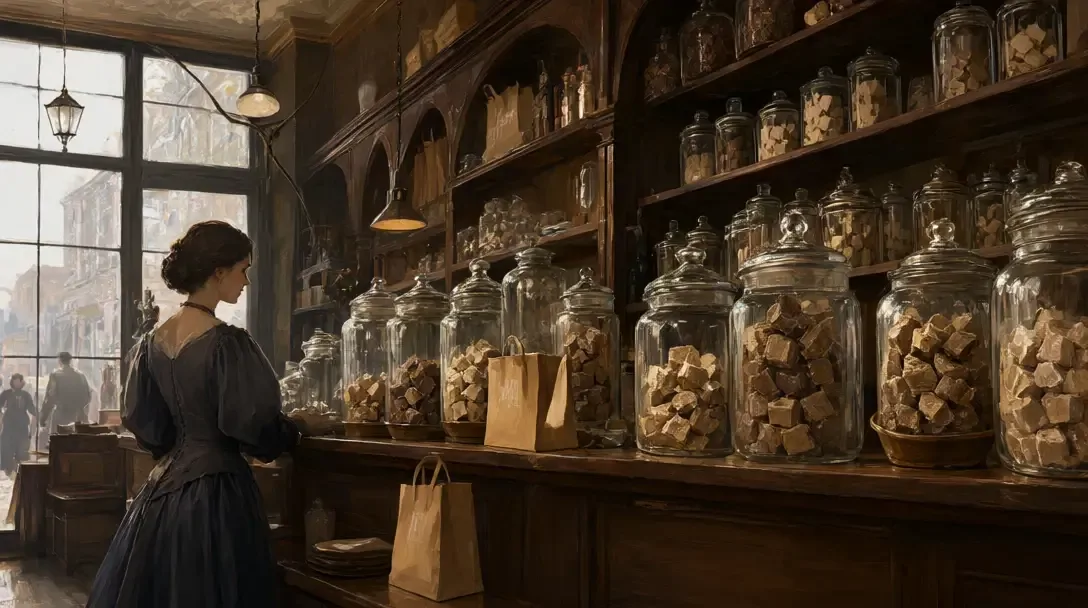
Everton FC's most famous nickname has nothing to do with football and everything to do with confectionery. The origins of "The Toffees" date back to the late 19th century, when two local toffee shops competed for the attention of match-going supporters.

Old Ma Bushell operated Ye Anciente Everton Toffee House near the Queen's Head Hotel, where club decisions were made in the early years. She invented "Everton Toffees" and sold them to fans traveling to watch Everton play at Stanley Park, Priory Road, and later Anfield. When Everton moved to Goodison Park in 1892, Mother Nobletts Toffee Shop, located near the new ground, responded by inventing "Everton Mints." Their black-and-white stripes reflected the older Everton strip, creating a sweet rivalry to match the football one.

The tradition continues today through the Toffee Lady, a young female fan selected from the Supporters Club for each home match. She carries a basket of Everton toffees around the pitch before kick-off, a living link to Old Ma Bushell and her grand-daughter Jemima, who became the first official Toffee Lady. It's one of football's more charming customs, connecting modern supporters to their Victorian predecessors.

But Everton's identity extends beyond sweets. "The Blues" has become increasingly prominent, a simple reference to the royal blue colors that have defined the club since 1907. There was a brief, ill-fated experiment with light blue in 1906 that prompted fan protests and a swift return to royal blue. Evertonians know what they want, and they're not afraid to make their voices heard.

Everton's Toffee Lady tradition with vintage toffee shop
The Toffee Lady tradition dates back to the late 19th century

Nil Satis Nisi Optimum: The Everton Motto and Club Crest

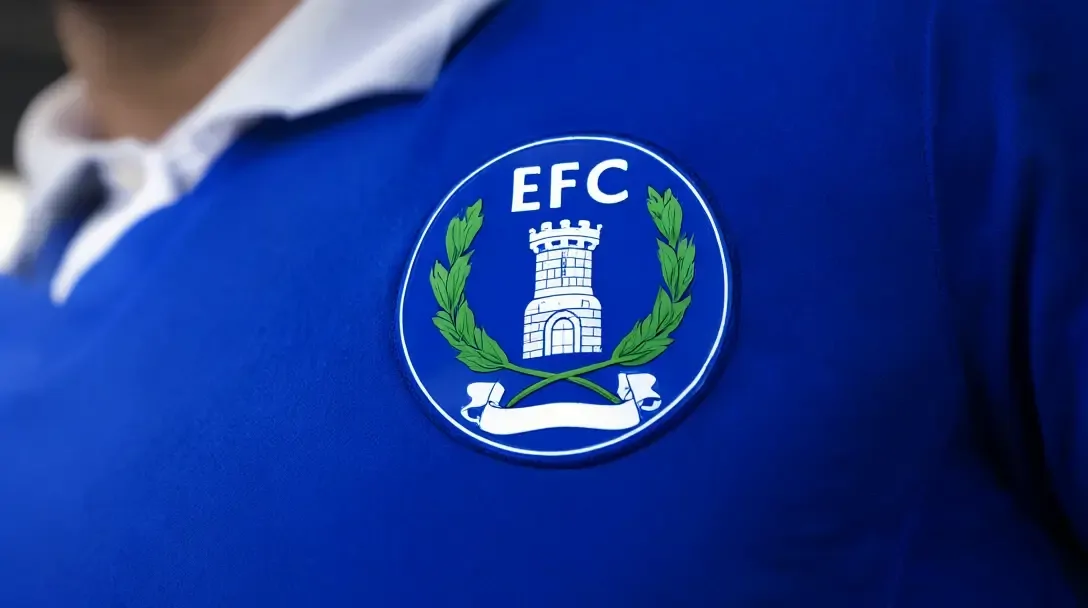
"Nothing but the best is good enough." This Latin phrase has guided Everton for over 75 years, emblazoned on the Everton club crest and embedded in supporter consciousness. It speaks to ambition, standards, and the refusal to accept mediocrity. When the club controversially removed the motto from a redesigned badge in 2013, the backlash was immediate and overwhelming. Fans demanded its restoration, and within months, "Nil Satis Nisi Optimum" returned to its rightful place.

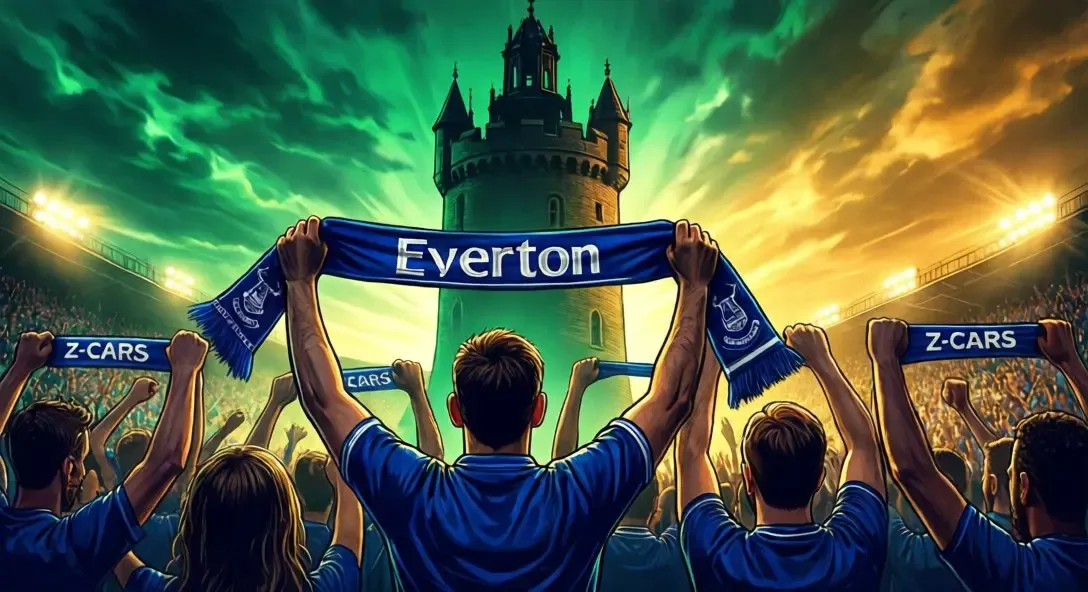
The crest itself tells a story. Prince Rupert's Tower, a real structure built in 1787 on Everton Brow, sits at the center. Originally a bridewell or lock-up for incarcerating drunks overnight, it's known locally as "Stewbum's Palace" or "Stone Jug." The tower has served various purposes over the centuries, currently housing council workmen's tools, but for Evertonians, it represents something far more significant. It's a symbol of their community, their history, their identity.

The two laurel wreaths bordering the tower speak to victory and achievement. Combined with the motto and the letters EFC, the crest encapsulates everything Everton strives to be. It's a statement of values as much as a logo.

The Merseyside Derby - Everton vs Liverpool rivalry
The Merseyside Derby is the longest-running top-flight derby in English football

Merseyside Derby: Everton vs Liverpool Rivalry Explained

No discussion of Everton FC is complete without addressing their relationship with Liverpool FC. The Merseyside derby is the longest-running top-flight derby in English football, with the first meeting occurring in October 1894. As of September 2025, the clubs had faced each other 246 times across all competitions.

What makes this rivalry unique is its origin. Without Everton's departure from Anfield in 1892, Liverpool FC might never have existed. The clubs are siblings separated at birth, occupying the same city, sharing the same history, but walking different paths. Liverpool still plays on Everton's old ground at Anfield, on the same pitch location where Everton won their first championship in 1891.

Historically known as the "friendly derby" because families were often split between the two clubs, the intensity has increased in the Premier League era. Stakes are higher, financial rewards greater, and the margin for error smaller. Matches remain highly charged and emotional affairs, with bragging rights in the city lasting until the next encounter.

Tim Cahill, the Australian midfielder who became an Everton folk hero for his derby performances, captured the feeling perfectly: "Anfield, Goodison Park, the derbies, it's all about fire." For supporters, these games define seasons regardless of league positions. A win against Liverpool can rescue a disappointing campaign. A loss can cast a shadow over an otherwise successful one.


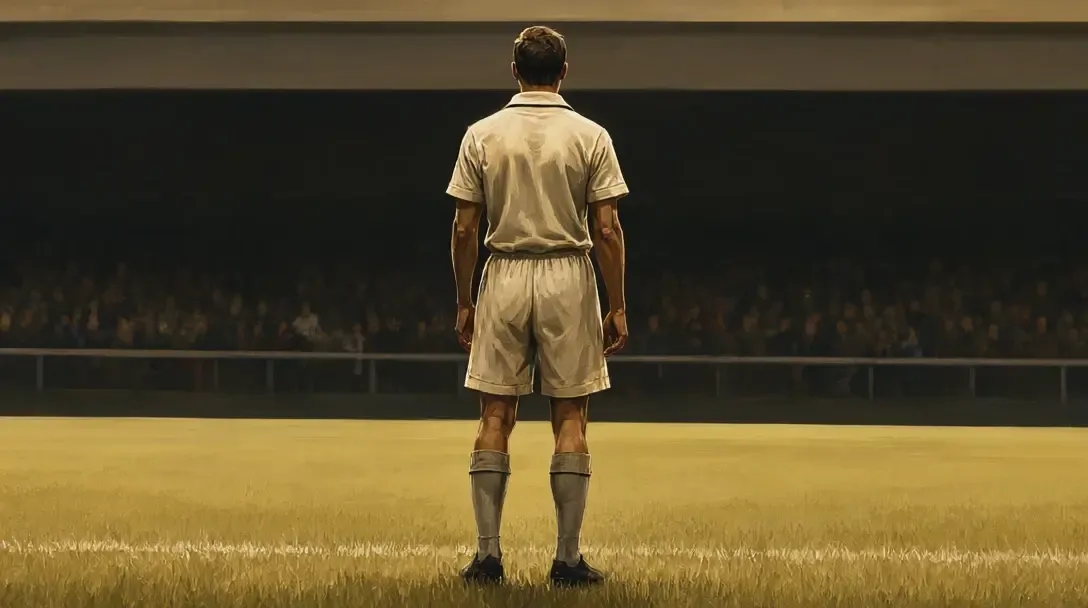
Dixie Dean - Everton's greatest-ever player and goal record holder
Dixie Dean scored a record 60 league goals in the 1927-28 season

Dixie Dean: Everton's Greatest-Ever Player and Goal Record

If Everton FC have a single player who transcends generations, it's William "Dixie" Dean. Between 1924 and 1938, the striker scored 377 goals in 431 appearances. But one record stands above all others - a mark so remarkable it may never be broken.

In the 1927-28 season, Dean scored 60 league goals. Not just for Everton, but in the entire First Division campaign. He scored 37 career hat-tricks, another all-time record. In that championship-winning season, he personally scored 60 of Everton's 102 league goals. Sir Matt Busby, who faced him as a player, later remarked: "To play against Dixie was like playing against a tank."

Dean's legacy extends beyond statistics. He remains Everton's greatest-ever player, a benchmark against whom all subsequent strikers are measured. His death in 1980 at Goodison Park, shortly after watching a Merseyside derby, seemed somehow fitting. He departed where he had given so much joy, in the stadium that had witnessed his greatest triumphs.

Everton Trophies: 9 League Titles, 5 FA Cups, and European Success

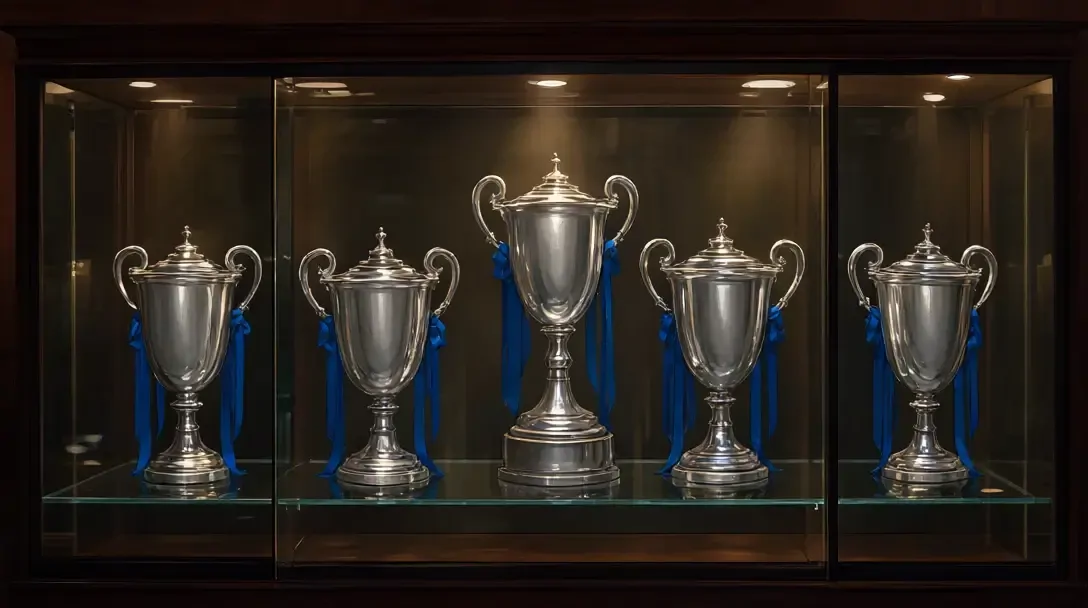
Everton FC's trophy record commands respect. Nine league titles place them behind only Liverpool, Manchester United, and Arsenal in English football. Five FA Cups put them among the competition's most successful clubs. The 1985 UEFA Cup Winners' Cup demonstrates their ability to compete on the European stage.

The titles came in clusters: three in the 1920s and 1930s (the Dixie Dean era), two in the 1960s (Harry Catterick's teams), and two in the 1980s (Howard Kendall's great side). The FA Cup victories span from 1906 to 1995, evidence of a club that could compete across different eras and challenges.

But that 1995 FA Cup remains Everton's last major trophy. A 31-year drought for a club of Everton's size and history represents both frustration and motivation. Several finals have been reached and lost, most recently in 2009 under Moyes. The Community Shield has been won when qualifying as league champions or FA Cup winners, but a new trophy, something to celebrate at the Hill Dickinson Stadium, remains the ultimate goal.

Everton have won more FA Cup games than any other club. Only Arsenal have appeared in more semi-finals. The statistics suggest a club that should be winning trophies more regularly. The reality of modern football, with financial disparities and the dominance of the "big six," makes that challenge harder than ever.

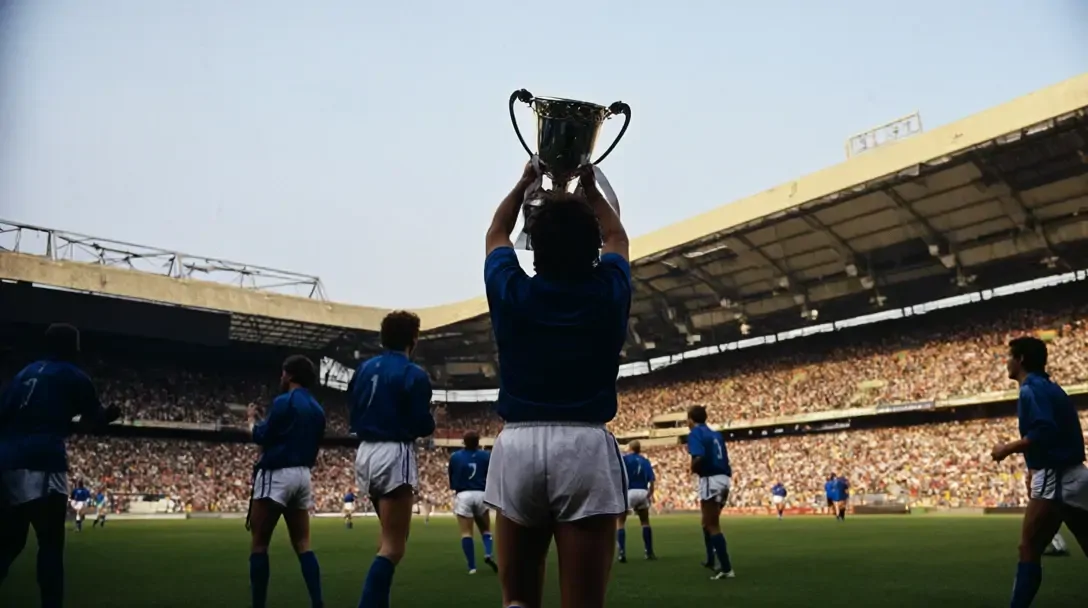
Everton's 1980s golden era - trophies and European success
Everton's 1980s golden era: Two league titles, FA Cup glory, and the 1985 Cup Winners' Cup

The Holy Trinity and Everton's 1980s Golden Era

While Dixie Dean represents Everton's early 20th-century dominance, the 1980s brought the club's most recent sustained success. Under manager Howard Kendall, Everton won two league titles (1985, 1987), one FA Cup (1984), and the UEFA Cup Winners' Cup in 1985. They were named World Soccer Team of the Year in 1985, recognition of football that combined English grit with genuine flair.

But the foundations were laid earlier. Harry Catterick's teams of the 1960s featured the "Holy Trinity" midfield of Howard Kendall, Alan Ball, and Colin Harvey. Ball, the youngest member of England's 1966 World Cup winning team, had been signed for a British record fee of GBP 110,000. His fiery passion and relentless work ethic embodied everything Evertonians admired. Together with Kendall and Harvey, he formed a midfield that could dominate any opponent.

Kendall would later return as manager and surpass his playing achievements. His team of the mid-1980s played football that justified the "School of Science" label. They were strong, organized, but also capable of devastating opponents with swift, intelligent attacking play. The Cup Winners' Cup victory over Rapid Vienna in 1985 should have been the springboard to European dominance. Instead, the Heysel disaster and subsequent ban on English clubs from European competition robbed Everton of their chance to compete for the European Cup.

Neville Southall: Everton's Greatest Goalkeeper

If Dixie Dean represents Everton's attacking history, Neville Southall MBE embodies their defensive tradition. With 751 appearances between 1981 and 1998, Southall is Everton's most-capped player of all time. He won two league titles, one FA Cup, and that Cup Winners' Cup. More importantly, he established himself as not just Everton's greatest goalkeeper, but one of the finest to ever play in England.

Southall's agility, positioning, and shot-stopping ability made the seemingly impossible look routine. He was the foundation upon which Everton's success was built, the reassurance that allowed defenders to push forward and attackers to take risks. His MBE recognized not just his football achievements but his charitable work and advocacy, reflecting values that resonated with Everton's community-focused identity.

David Moyes - Everton manager returned to transform the club
David Moyes returned in January 2025 to transform Everton's fortunes

David Moyes: The Prodigal Manager Returns to Everton

When Sean Dyche was sacked on January 9, 2025, with Everton hovering above the relegation zone, few predicted his replacement. The Friedkin Group, Everton's new owners, made a decision that surprised many: they brought back David Moyes, the man who had left for Manchester United nearly 12 years earlier.

Moyes's first spell at Everton (2002-2013) had transformed the club. He arrived with Everton in relegation trouble and departed having qualified for the Champions League with a 4th place finish in 2005. He reached an FA Cup final in 2009. Most importantly, he established Everton as a consistent Premier League outfit, capable of punching above their financial weight through shrewd recruitment and tactical discipline.

His return has been nothing short of transformative. From relegation candidates to 8th place in the space of 14 months, Everton have rediscovered their identity under the manager who first gave them one in the Premier League era. The mood at the training ground has improved. Matchdays feel different. Supporters who had grown accustomed to anxiety now dare to dream of European qualification.

Moyes's Philosophy: Understanding Everton's Identity

Moyes understands Everton, their history, their supporters, their place in Liverpool and English football. His two-and-a-half-year contract provides stability after years of turbulence. The question now is whether he can translate mid-table security into something more, whether the "School of Science" can genuinely compete for trophies again.

Everton Financial Turbulence and New Ownership Under Friedkin Group

The 2023-24 and 2024-25 seasons tested Everton's resilience like few periods in their history. Points deductions for Profit and Sustainability Rules (PSR) breaches, a total of 8 points across two seasons, turned relegation battles into survival struggles. The club exceeded the GBP 105m loss limit, then breached regulations again by GBP 16.6m.

For supporters, the situation was doubly frustrating. While the club faced penalties for financial mismanagement, significant investment was pouring into the new stadium. The disconnect between punishment on the pitch and development off it created a sense of injustice that bubbled over into protests.

The Friedkin Group's takeover brought both financial stability and a willingness to make difficult decisions. Sean Dyche's sacking, just as the transfer window opened, demonstrated new ownership unwilling to accept decline. The appointment of Moyes signaled a desire to reconnect with the club's identity rather than chase expensive quick fixes.

Everton are now compliant with PSR regulations. The new stadium's increased revenue potential should ease financial pressures. But the balance between investment in the squad and compliance with financial fair play remains delicate. Building a team capable of challenging for Europe while funding a stadium that cost up to GBP 750m requires astute management both on and off the pitch.

Everton fans - passionate supporters with royal blue scarves
Evertonians are known for their deep appreciation of club history and passionate support

The Z-Cars Tradition: Everton's Iconic Entrance Music

Since the mid-1963-64 season, Everton players have run out to the theme from Z-Cars, a BBC television drama set in an undefined area of Merseyside. The show featured Lancashire police, was filmed in Kirkby, and one cast member, an Evertonian, brought colleagues to watch matches. The team emerged to the Z-Cars theme in recognition, and a tradition was born.

The music itself is based on an old Liverpool folksong called "Johnny Todd." Originally a sedate fluted version, it evolved into the punchy saxophone arrangement that now greets players and excites supporters. The tradition became so entrenched that when chairman Peter Johnson dropped Z-Cars for "Fanfare for the Common Man" in 1994, the condemnation was immediate. Manager Joe Royle reinstated it within months.

Other clubs, including Sunderland and Watford, have adopted the theme. But Everton remain most associated with Z-Cars, their identity intertwined with a television program that ended decades ago but whose music still stirs the blood before every home match.

Everton Fan Culture: Knowledge, Passion, and Resilience

Evertonians are defined by their deep appreciation of club history. The phrase "You've got to know your history to be a true Evertonian" reflects a supporter culture that values knowledge as much as passion. They will applaud individual or collective brilliance spontaneously, regardless of which team produces it. The "School of Science" mentality means elegant football is prized, not just results.

This appreciation for quality doesn't mean expectations are unrealistic. Evertonians have endured difficult periods, particularly in the 1990s and more recently during the relegation battles of 2023-2025. Their resilience, the willingness to support the team through adversity while demanding better, speaks to a maturity born from experience.

The community connection remains strong. Everton in the Community, the club's charitable arm, engages in extensive outreach across Liverpool. The move to Bramley-Moore Dock is intended to regenerate an area that has seen better days, bringing jobs and investment beyond just matchdays. For a club that has always seen itself as representing the people of Liverpool, this matters deeply.

Everton 2025-26 Season: European Ambitions Renewed

As the 2025-26 season enters its final stages, Everton find themselves in unfamiliar territory. Not fighting relegation, but pushing for European qualification. Eighth place with 40 points from 28 games represents their best position in years. Under David Moyes, they have lost just 10 times in those 28 matches, a record that suggests consistency if not yet title-challenging quality.

The improvement is measurable. Under Dyche in early 2024-25, Everton won just once in 11 games. Since Moyes's arrival, the transformation has been comprehensive. The training ground mood has lifted. Matchday atmosphere has improved. Supporters who spent recent seasons worrying about relegation now debate whether Europa League or even Conference League qualification might be possible.

The new stadium has played its part. Larger crowds, modern facilities, and the sense of a fresh start have combined to create optimism not felt around Everton for years. The challenge now is maintaining this trajectory, building on this season's progress rather than regressing.

Everton's trophy cabinet with 9 league titles, 5 FA Cups, and European silverware
Everton have won 9 league titles, 5 FA Cups, and the 1985 Cup Winners' Cup

Everton FC Future: Balancing Ambition with Reality

Everton FC's future holds both promise and challenge. The Hill Dickinson Stadium provides revenue potential that could transform their financial competitiveness. The Friedkin Group's ownership brings resources and ambition. David Moyes offers stability and understanding of what the club represents.

But challenges remain significant. The 31-year trophy drought shows no sign of ending immediately. Financial fair play regulations limit how quickly squad quality can be improved. The gap to the established "big six" clubs, not to mention Newcastle and Aston Villa's recent investment, means European qualification will be fiercely contested.

The stadium move's full impact won't be clear for several seasons. Will increased revenue translate to better players and sustained success? Can the atmosphere and identity that defined Goodison Park truly transfer to modern surroundings? Will Moyes prove capable of building a team that doesn't just avoid relegation but genuinely competes for honors?

Conclusion: The School of Science Writes Its Next Chapter

Everton Football Club stands at a crossroads. Behind them lies 148 years of history, including 133 years at Goodison Park, nine league titles, five FA Cups, and memories that will never fade. Ahead stretches an uncertain but potentially exciting future at a stadium designed for modern football's demands.

The return of David Moyes has provided stability and direction when both were desperately needed. The new ownership has shown willingness to invest and make difficult decisions. The supporters, having endured relegation battles and points deductions, deserve better. Whether they will get it remains the most compelling question surrounding this historic club.

"Nil Satis Nisi Optimum" isn't just a motto. It's a promise, a demand, and a standard that everything and everyone associated with Everton must meet. The new era at Hill Dickinson Stadium offers the opportunity to fulfill that promise. Whether the "School of Science" can once again compete at the highest level, whether trophies can return to a cabinet that has been empty for too long - those stories are still being written.

For now, Evertonians can dare to dream again. And in football, sometimes that's enough.

Professional headshot of Marcus Worthington, Senior Football Editor & Analyst

Marcus Worthington

Senior Football Editor & Analyst

Marcus Worthington is an experienced sports analyst and editor with over 12 years in sports journalism. Specializing in football tactics, league analysis, and long-form feature writing, Marcus provides in-depth coverage of Premier League, La Liga, and European competitions. His expertise extends to live score commentary and match result analysis, where his detailed understanding of game dynamics helps readers understand the story behind the scores. Marcus is known for his tactical breakdowns and ability to identify emerging trends in team performances.