Professional betting analysis dashboard showing odds comparisons and AI detection systems in dark theme with emerald green and golden amber accents
Essential Guide

How Bookmakers Detect Arbitrage Betting: Inside the High-Tech Arms Race

Jump to section

The Guardian, 2022

The volume of customers they had, you could afford to get rid of anyone you thought wasn't going to be profitable.

Rory, former Paddy Power employee

Introduction

Imagine placing bets on a tennis match where you're guaranteed to profit regardless of who wins. Sounds impossible, right? Yet thousands of bettors worldwide use a mathematical strategy called arbitrage betting to do exactly that. And bookmakers absolutely hate them for it.

This is how bookmakers detect arbitrage betting using cutting-edge technology, behavioral profiling, and AI-powered systems to identify and restrict arbitrage bettors. It's a sophisticated arms race happening behind the scenes of every online sportsbook.

Abstract visualization of betting patterns with flowing data streams and connection networks in emerald green
How bookmakers analyze betting patterns to identify arbitrage activity

What Is Arbitrage Betting?

Arbitrage betting (often called "arbing" or "sure betting") exploits odds differences between bookmakers to guarantee profit. When Bookmaker A offers 2/1 on Player A and Bookmaker B offers 2.5/1 on Player B, you can place carefully calculated bets on both outcomes and lock in a profit regardless of the match result.

Arbitrage betting is completely legal in every country where gambling is permitted. It's not cheating—it's pure mathematics.

The Reality of Arbitrage Profits

Before diving into arbitrage betting detection methods, let's clear up a common misconception: arbitrage betting isn't a get-rich-quick scheme.

  • 98% of arbitrage opportunities return less than 1.2% profit per bet
  • Opportunities appear hundreds of times daily during major events
  • Tennis, football, basketball, and horse racing are the most arbed sports

That tiny profit margin means arbers must place massive volumes of bets to make meaningful returns. And that high volume is precisely what makes them so visible to bookmakers' arbitrage detection systems.

To understand why these odds differences exist, it's worth exploring why bookmaker odds differ between platforms—a key concept that makes arbitrage opportunities possible.

The Guardian, 2022

It tends to happen now that everyone that beats the price gets put under the 'arber' banner, which is unfair. I'd say it's probably 65%-70% of punters that get factored where it's definitely the right decision.

Fintan, former Ladbrokes employee

Why Bookmakers Hate Arbers (And Why It Matters)

Arbitrage bettors represent what the industry calls "bad business"—customers who systematically win instead of lose. Bookmakers operate on thin margins, typically 2-5% per market. When arbers exploit these margins, they turn the bookmaker's business model on its head.

The global sports betting market will hit $182.12 billion by 2030, so even small losses from arbers add up fast. But it's not just about the money—arbers expose inefficiencies in bookmakers' odds-setting systems and competitive positioning.

How Bookmakers Classify Bettors

Bookmakers classify sophisticated bettors into tiers:

  • "Warm" or "shrewd" punters: Smart customers who understand market inefficiencies
  • "Unprofitable customers": Anyone threatening the bottom line
  • "Arbers": Those using mathematical strategies to guarantee profits

The distinction matters because bookmaker account restrictions vary based on how you're classified.

The 8 Primary Detection Methods Bookmakers Use

1. Betting Pattern Analysis: The Digital Paper Trail

Every bet you place creates data. Bookmakers analyze this data to identify suspicious patterns that scream "arbitrage bettor."

Red Flag Behaviors:

  • Consistently betting the best available odds across all markets
  • Always betting early lines before odds adjust downward
  • Beating starting prices on most bets
  • Placing simultaneous bets across multiple platforms (within seconds)
  • Frequent betting on obscure markets (like Finnish second division football)
  • Betting on all possible outcomes of the same event

But modern arbitrage detection goes far beyond bet patterns. Bookmakers now track your digital behavior—mouse movements, keystrokes, navigation patterns, and timing. Rapid, repetitive mouse movements indicate someone quickly scanning for arbitrage opportunities, not a casual bettor enjoying the game.

2. Real-Time Odds Monitoring: The Speed Advantage

Bookmakers possess a massive speed advantage over bettors. They receive event data in under 500 milliseconds via services like Sportradar, adjust their odds automatically in under 10 milliseconds, and most bettors are watching on delayed feeds (typically 6-10 seconds behind live events).

This speed gap is crucial for how bookmakers detect arbing. When you place a bet immediately after an odds movement, bookmakers notice. Their systems track who consistently bets before market moves, identifying bettors who might have access to faster information feeds.

Quote Testing: Bookmakers float less generous prices for just milliseconds to see which users snap them up—revealing who's watching their odds like a hawk.

The Guardian, 2022

As soon as people start winning or losing, that gets adjusted. It starts with 50% and if they keep doing it [beating the bookie], it'll keep going down. At William Hill it went down down to 25% to 10% and eventually down to 1%.

Cameron, formerly of William Hill
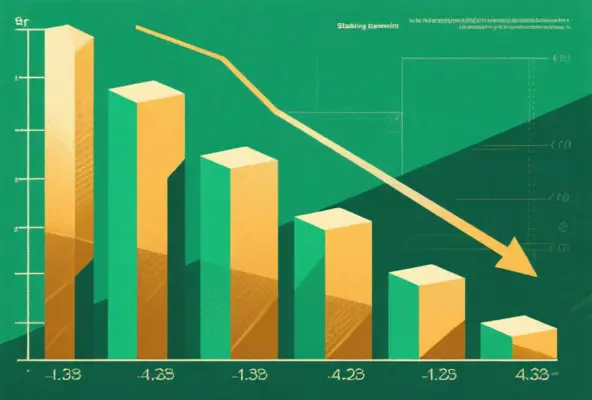
Abstract representation of stake factoring system with diminishing bet sizes visualized as geometric bars
Stake factoring: How bookmakers limit bet sizes for profitable customers

Stake Factoring: The Primary Control Mechanism

This is the most important detection and control method in the bookmaker's arsenal. Stake factoring determines how much you're allowed to bet based on your perceived profitability to the bookmaker.

The Stake Factor System:

Customer Type Stake Factor Maximum Bet Example (£500 max)
New Customer 1.0 £500 (100%)
Unprofitable Customer 0.3 £150 (30%)
"Warm" Customer 0.1 £50 (10%)
Arber/Cheater 0.01 £5 (1%)

Here's how stake factoring works in practice:

  1. New accounts start at stake factor 1.0 (full betting access)
  2. As you win, factors decrease: 50% → 25% → 10% → 1%
  3. Some losing customers get factors above 1.0—one recorded case at 40.0, allowing bettors to wager 40 times the normal maximum
  4. Increasingly automated at tech-savvy companies

When your stake factor drops to 0.01, you can only place £5 on a market with a £500 maximum. This makes arbitrage betting mathematically impossible given the transaction costs and time involved.

This is why many successful bettors eventually turn to betting exchanges, which never limit winners—a crucial advantage over traditional bookmakers.

2025

Machine learning helps bookies identify betting patterns that deviate from expected baselines and allows them to react in real time — not just to protect margin, but to understand how punters respond to information.

Soccerwidow

What Happens When Bookmakers Detect Arbers?

The Escalation of Consequences

When bookmakers identify arbitrage bettors, they typically follow an escalating path of restrictions:

1. Stake Limits (Wagering Restrictions)

The most common consequence is reducing your maximum bets to meaningless amounts—often £1-2 or less. This makes arbitrage betting "impractical or impossible" given the small profit margins.

2. Account Restrictions (Gubbing)

Bookmakers employ "stake factoring" to near-zero levels, ban you from promotional offers, exclude you from certain betting markets, and remove best odds guarantees. Your account still exists, but it's essentially useless for serious betting.

3. Bet Cancellation

Bookmakers void current bets suspected of arbitrage, returning funds to your account. This typically happens with clearly mispriced odds (palpable errors) or "honeypot tactics"—where bookmakers deliberately post inflated odds to lure arbitrageurs, then claim the line was mispriced.

4. Account Closure

The most severe penalty—complete ban from the platform. Account funds are either refunded to you or, in rare cases, confiscated if you've violated specific terms.

5. Industry Blacklisting

"There's a high chance that other platforms will already know about you" once flagged at one bookmaker. Shared databases and cross-operator communication mean your reputation follows you.

Real-World Consequences: The Bernard Henry Case

Bernard Henry's story, reported by The Guardian in 2022, illustrates how harsh these bookmaker account restrictions can be:

  • Won only £38 over four years of betting
  • Beat bookmaker's odds 73% of the time
  • Prevented from placing sports bets
  • Still allowed to bet on casino products where the house always wins
  • Believed bookmakers shared his data with other operators via fraud-prevention software

This case raises troubling questions about fairness: is it reasonable to restrict someone who's barely won anything, simply because they consistently pick winners? These restrictions are just one of many challenges you'll face if you're wondering can you make a living from betting in the modern era.

The Guardian, 2022

If they close all the bad customers, you go from 50,000 active users to 10,000.

Former Betfair employee
Abstract AI network visualization with neural pathways and data processing nodes in emerald green and golden amber
How AI and machine learning power modern arbitrage detection systems
ℹ️

Honeypot Tactics Warning

Some bookmakers use 'honeypot tactics' by posting inflated odds to lure high-stakes arbitrageurs. Once bets are placed, operators can later claim that the betting line was mispriced and void the bets, leaving arbers high and dry.

2025

Because when the model can't model you, the bookmakers edge disappears.

Prof. Octopolis, Soccerwidow

How to Avoid Bookmaker Detection: The Cat-and-Mouse Game

Arbitrage bettors have developed sophisticated strategies to avoid detection—creating an ongoing arms race with bookmakers' arbitrage detection systems.

Avoidance Tactics

Bet Size Camouflage:

  • Rounding bet amounts (betting $700 instead of $678.22)
  • Keeping consistent but varied stake sizes
  • Avoiding maximum bets repeatedly
  • Mixing bet sizes to appear recreational

Market Selection Strategy:

  • Sticking to familiar markets (not betting on obscure Estonian basketball if you live in Australia)
  • Mixing in "mug bets" on popular events to appear like a normal punter
  • Avoiding predictable patterns in market selection

Timing Tactics:

  • Avoiding automation (dramatically increases detection risk)
  • Spacing out bets rather than simultaneous placement
  • Varying bet placement times to break patterns

Account Management:

  • Maintaining accounts across multiple bookmakers
  • Withdrawing modestly rather than frequent large withdrawals
  • Using betting exchanges like Betfair, Matchbook, and Smarkets that never limit winners
  • Attempting multiple accounts (gnoming/bearding)—highly risky and easily detected

Behavioral Camouflage:

  • Appearing as a "mug punter" through recreational betting patterns
  • Mixing in poor value bets with arbitrage opportunities
  • Not maximizing every bonus offer
  • Occasionally placing accumulators (terrible value but looks recreational)
  • Accepting lower value bets sometimes

Effective bankroll management becomes even more critical when your accounts are restricted, as you need to maximize returns across limited opportunities.

What Arbers Should Absolutely Avoid

Based on how bookmakers detect arbing, these behaviors dramatically increase detection risk:

  • Using bots 24/7 (obvious sign of automation)
  • Always wagering on opening lines (early bettor flag)
  • Abusing bonus offers with robotic precision (bonus abuse triggers)
  • Making frequent, high withdrawals (strong signal of success)
Abstract representation of account restrictions with locked barriers and diminishing opportunities
The escalating consequences of being flagged as an arbitrage bettor

The Technology Arms Race: What's Next?

The detection of arbitrage betting has evolved from simple odds monitoring to comprehensive behavioral profiling. Here's where the industry is heading:

1. AI and Machine Learning Dominance

Behavioral prediction is becoming the primary detection method. Real-time personalization of odds and limits based on your specific betting profile. Feature engineering turns every click into predictive data.

2. Increased Automation

Stake factoring is increasingly automated at tech-forward companies. Real-time intervention systems detect suspicious activity immediately and respond with dynamic risk adjustments.

3. Collaborative Defense

Industry-wide databases of problematic customers, cross-operator intelligence sharing, and group-wide blacklists across multiple brands. Once flagged, you're flagged everywhere.

4. Enhanced KYC/AML Integration

Liveness detection, biometric verification, bank card verification, and social media analysis are becoming standard—all under the guise of regulatory compliance but also serving arbitrage betting detection.

Future Challenges for Arbers

Detection Difficulty Increasing:

  • Behavioral profiling is harder to evade than simple pattern matching
  • Cross-operator tracking prevents account hopping
  • AI systems learn and adapt faster than manual avoidance techniques
  • Real-time monitoring catches suspicious activity immediately

Profit Margins Shrinking:

  • 98% of arbs return less than 1.2% profit
  • Opportunities disappear faster with better technology
  • Market efficiency reduces arbitrage possibilities
  • Competition among arbers reduces returns

Regulatory Pressure:

  • Stronger AML/KYC requirements make multiple accounts harder
  • Mandatory liveness checks prevent impersonation
  • Payment method restrictions complicate fund management
  • Responsible gambling tools also used for detection
Abstract representation of the arms race between bookmakers and bettors with competing technological systems
The ongoing technological battle between detection systems and evasion techniques

The Ethical Questions Nobody Wants to Discuss

Fairness and Discrimination

The Bernard Henry case—restricted after winning only £38 in four years—raises uncomfortable questions about fairness. Industry insiders admit that 30-35% of restrictions unfairly target smart bettors rather than true arbers.

A Paddy Power manual revealed explicit instructions to restrict "Eastern European customers" based on regional profiling. The company also made judgments based on customers' employment and even analyzed their Facebook friends.

This "intrusive, secretive profiling" goes beyond detecting arbitrage to punishing successful customers—regardless of whether they're actually arbing.

The "Warm" Customer Paradox

Perhaps the most revealing practice is how bookmakers treat "warm" customers—skilled bettors who consistently beat their odds.

Instead of closing these accounts, bookmakers keep them at minimal stake limits (0.01 stake factor) to use them as "marks" monitoring the bookmaker's own odds. These customers serve as canaries in the coal mine, revealing when the bookmaker's odds are out of line with the market.

Why not just close them? Investor pressure. "If they close all the bad customers, you go from 50,000 active users to 10,000," explained a former Betfair employee. Active user numbers matter more than account quality.

Data Privacy vs. Business Protection

Bookmakers track:

  • Every mouse movement
  • How long you scroll on specific markets
  • Which matches you click but don't bet on
  • How often you change your mind
  • Your Facebook friends and employment

This behavioral surveillance goes far beyond what most customers expect or realize. While justified as fraud prevention and responsible gambling, it also serves to restrict anyone who's too successful.

Abstract visualization of digital surveillance and data monitoring with eye and network symbols
The extensive data tracking used by bookmakers to profile bettors

What This Means for Sports Bettors

For Casual Bettors

If you're a recreational bettor who occasionally wagers on your favorite team, you have nothing to worry about. Bookmakers want your business. The arbitrage detection systems target consistent winners, not casual punters.

For Aspiring Arbers

Understanding how bookmakers detect arbing is crucial before attempting arbitrage betting:

The Reality Check:

  • Arbitrage is legal but heavily punished
  • Profit margins are tiny (98% under 1.2%)
  • Detection is increasingly sophisticated
  • Bookmaker account restrictions are inevitable eventually
  • Industry blacklisting follows you everywhere

Survival Strategies:

  • Use betting exchanges that never limit winners (Betfair, Matchbook, Smarkets)
  • Accept that traditional bookmakers will restrict you eventually
  • Focus on value betting rather than pure arbitrage
  • Vary your patterns to extend your account lifespan
  • Never rely on one bookmaker long-term

For All Bettors

Understanding how bookmakers detect arbitrage betting and classify customers changes how you should approach online betting:

Transparency Issues:

  • Bookmakers track far more than you realize
  • Your behavior is constantly analyzed and scored
  • "Responsible gambling" tools also detect profitable customers
  • Your data is likely shared across operators

Business Reality:

  • Bookmakers reserve the right to refuse business
  • Terms and conditions always give them the final say
  • "Palpable errors" can void any bet they choose
  • The house always has the advantage—literally and figuratively
Abstract futuristic visualization showing advanced AI systems and predictive analytics
The future of bookmaker detection technology and what it means for bettors

The Bottom Line: The House Controls the Game

Arbitrage betting represents the ultimate challenge to bookmakers' business model. By using mathematics instead of gambling, arbers expose the fundamental truth: bookmakers aren't in the business of fair competition, they're in the business of managing risk.

The sophisticated arbitrage detection systems described here—AI-powered behavioral profiling, device fingerprinting, stake factoring, real-time odds monitoring—exist not to prevent cheating, but to prevent winning.

This is the uncomfortable reality of modern sports betting: the house not only wins, but decides who's allowed to play. Bookmakers possess technology that predicts and controls human behavior with unprecedented precision. Whether this is fair business practice or discriminatory surveillance depends on your perspective.

What's undeniable is that arbitrage betting, while mathematically sound, is operationally doomed in the face of such sophisticated opposition. The arms race will continue—arbers developing new avoidance techniques, bookmakers deploying more advanced detection systems—but the technological advantage overwhelmingly favors the house.

For sports betting enthusiasts, the lesson is clear: understanding how bookmakers detect arbing is essential. Whether you choose to attempt arbitrage betting or simply want to be an informed recreational bettor, knowledge of these detection methods helps you navigate the modern betting landscape more effectively.

The future holds even more sophisticated AI, more comprehensive behavioral tracking, and more automated restriction systems. As the global sports betting market explodes toward $182 billion by 2030, the technological arms race between bookmakers and arbitrage bettors will only intensify—with ordinary bettors caught in the crossfire of increasingly invasive surveillance.

Abstract representation of bookmaker control and advantage with dominating geometric structures
The fundamental reality: the house controls the game