How to Avoid Betting Scams: UK Protection Guide
Safety Guide

How to Avoid Betting Scams: The Ultimate Protection Guide for UK & European Sports Bettors

Jump to section

Introduction

Sports betting is massive right now. The global online gambling market hit about $84 billion in 2023 and is projected to reach $164.53 billion by 2033. The UK alone sits as the world's second-largest online gambling market, with £11.01 billion in projected revenue for 2024.

Where there's that much money, fraudsters follow.

And they're having a field day. Fraud rates in the betting industry shot up 80% from 2022 to 2023, with over £629 million lost to fraud in the UK during just the first half of 2025. The UK Gambling Commission received 443 reports of suspicious betting activity in 2023-2024, and that's probably just the tip of the iceberg—most victims never report because they're embarrassed or figure nothing can be done.

Knowing what you're up against is your best defence. When you understand how betting scams work, spot the warning signs, and know how to protect yourself, you can enjoy sports betting safely without getting played by the sophisticated schemes targeting both newbies and experienced punters alike.

This guide will walk you through everything you need to know to stay safe in today's betting landscape.

The New Wave of Betting Scams: Why They're More Sophisticated Than Ever

Betting scams aren't what they used to be. Those poorly written emails from "Nigerian princes"? That's amateur hour compared to what's happening now.

Today's fraudsters run professional operations powered by AI-generated content, websites that look identical to legitimate platforms, and psychological tactics they've refined through years of testing.

Why the sudden surge in betting fraud?

Three factors have created the perfect storm:

  1. More people betting online – Larger pool of potential targets
  2. Digital anonymity – Crypto payments, offshore operators, and encrypted messaging make tracing and prosecuting fraudsters nearly impossible
  3. Emotional vulnerability – Sports betting involves money, passion for teams, and the thrill of potential wins—emotions scammers exploit brilliantly

The most dangerous part isn't the technical sophistication. It's how these scams play on human psychology. Whether you've been betting for years or just placed your first bet last week, understanding these psychological tactics matters.

The 9 Most Common Betting Scams Explained

1. Fixed Match Scams: The "Insider Information" Con

How it works:

Scammers claim they have inside information about predetermined match outcomes, usually citing connections to "dirty referees," "fixed games," or media executives with exclusive knowledge of results before they happen.

Here's what's actually happening: they're using a technique called splitting the pool. They divide victims into groups and give different predictions to each group. With 30 victims in a three-outcome match (home win, draw, away win), the scammer tells 10 people to bet on outcome A, 10 on outcome B, and 10 on outcome C.

When outcome A happens, those 10 "winners" get the "correct" prediction and are encouraged to invest more for the next "guaranteed" fixed match. The 20 "losers" get blocked or ignored. The scammer repeats this, extracting bigger payments from an ever-shrinking group of "winners" until the scheme collapses or victims run out of money.

Warning signs:

  • Promises of "100% fixed matches" or "guaranteed wins"
  • Upfront payment demands before receiving "insider information"
  • Claims of exclusive access to referees, players, or officials
  • Extreme urgency to act before "information becomes public"

Real-world example: The Cory Zeidman Case

Cory Zeidman wasn't some small-time operator. He was a professional poker player with a World Series of Poker bracelet, nearly $400,000 in live tournament earnings, and a respected reputation in the gambling industry spanning from 1997 to 2019.

Yet from 2004 to 2020, Zeidman orchestrated a nationwide fraud scheme that stole over $25 million from victims across Long Island, New York, and Boca Raton, Florida. His operation included:

  • National radio advertisements promoting "insider information"
  • Claims about access to non-public player injury information
  • Stories of "dirty referees" and "fixed games"
  • Alleged connections to media executives with predetermined match outcomes
  • Portraying gambling as a "low or no-risk investment opportunity"

Victims emptied their savings and retirement accounts based on Zeidman's false promises. On December 4, 2024, Zeidman pleaded guilty to conspiracy to commit mail and wire fraud, facing up to 20 years in prison and ordered to pay $3.6 million in forfeiture and restitution.

Even respected industry figures can run sophisticated frauds. Trust gets earned, not assumed.


2. Tipster Fraud: The "Scamicapper" Epidemic

How it works:

Self-proclaimed betting experts ("scamicappers") claim to have unbeatable systems, insider knowledge, or proprietary algorithms that guarantee profits. They'll often say they've been "banned" from betting platforms for winning too much—that's actually a red flag, not a badge of honour.

Legitimate sports betting is hard. Even the most successful professional bettors rarely exceed 55-60% win rates over the long term. Anyone promising 90%+ accuracy is lying to you.

Types of tipster scams:

  • Subscription scams: Monthly fees for "confidential information" that's actually freely available online
  • Performance-based fraud: You place bets on behalf of the "expert" and share winnings—which never materialise
  • VIP schemes: "Last 2 VIP slots!" or "Prices going up tonight!" creating artificial urgency
  • Social media influencers: Fake accounts showing edited betting slips, luxury cars, and stacks of cash to establish false credibility

Why these scams work so well:

"Scamicappers are successful because they're subtle. They create the illusion of expertise through inflated reviews and fake statistics of successful forecasts. The buyer pays for a 'guaranteed' win, but even if the bet goes through, the scheme is already working—the fraudster sold the same bet with different outcomes to hundreds of people."

— Leslie K. Harris, Double Eagle Hotel & Casino


3. Fake Betting Platforms & Copycat Websites

How it works:

Scammers build sophisticated copycat websites and mobile applications that perfectly mimic legitimate betting platforms. These fraudulent sites often rank high in search results and look professional, with polished designs, comprehensive betting markets, and responsive customer support—at least at first.

The trap unfolds in stages:

  1. The honeymoon phase: Small deposits and bets work perfectly. You can withdraw initial winnings without issue. This builds trust.
  2. The escalation: You deposit larger amounts, maybe chasing a big win or taking advantage of a "limited-time" bonus.
  3. The block: When you try to withdraw a significant amount, your account suddenly gets blocked for "verification," "security review," or "irregular betting patterns."
  4. The stalling: Customer support requests endless documentation—passport scans, utility bills, bank statements—always asking for "one more document" that never satisfies their requirements.
  5. The disappearance: Eventually, the website stops responding, emails bounce, and the platform vanishes completely.

Recent threat: Group-IB identified a campaign involving 500 deceptive advertisements and 1,377 malicious websites targeting European bettors. That's how big this problem has become.

Warning signs of fake platforms:

  • Vague or constantly changing terms and conditions
  • No clear gambling license information prominently displayed
  • Recently registered domains (check using Whois lookup tools)
  • Poor website design, broken links, or slow loading speeds
  • Requests for unusual app permissions (access to contacts, files, or SMS)
  • Multiple complaints about withdrawals on review sites
  • Payment method demands limited to cryptocurrency or wire transfers

4. Phishing Scams: When Your Trusted Bookmaker Isn't Your Bookmaker

How it works:

Fraudsters impersonate legitimate betting companies through sophisticated phishing campaigns designed to steal your login credentials, personal information, and payment details.

Common phishing tactics:

  • Email scams: Messages claiming your account has been compromised, requiring immediate action to "verify your identity" or "restore access"
  • Fake customer support: Malicious websites ranking for legitimate search terms like "[Brand Name] customer support" or "[Brand Name] login problems"
  • Text message fraud: SMS messages about "special offers," "account suspension," or "unusual activity"
  • Typosquatting: Domains that mimic legitimate sites with slight misspellings (e.g., "BetFäir" instead of "Betfair," "Bet365-support.com" instead of the official site)

The psychology behind successful phishing:

These scams create artificial urgency to bypass your critical thinking. By threatening account suspension or promising limited-time bonuses, scammers pressure you into acting quickly without verifying the source.

Red flags:

  • Unexpected communications requesting login credentials or personal information
  • Generic greetings ("Dear Customer" instead of your name)
  • Spelling errors or grammatical mistakes in messages
  • Slightly misspelt domain names or unusual sender addresses
  • Pressure to act immediately or lose access to your account

5. Account Blocking & Withdrawal Scams

How it works:

Unlike fake platforms that disappear entirely, some fraudulent betting sites operate for extended periods, building reputations and processing withdrawals—for small amounts. The scam only reveals itself when you attempt to withdraw significant winnings.

The pattern:

  1. You win consistently or hit a big payout
  2. You initiate a withdrawal request
  3. Your account gets immediately suspended for "security review"
  4. Customer support requests increasingly intrusive documentation
  5. Weeks pass with repeated promises that "your withdrawal is being processed"
  6. Communication eventually ceases entirely

Case evidence: Multiple victim reports describe identical patterns: winning streaks followed by immediate account suspension, with customer support becoming non-existent once significant withdrawals were attempted.

Why this scam is particularly nasty:

These platforms often process small withdrawals perfectly, building trust and encouraging larger deposits. The scam only activates when you attempt to withdraw substantial amounts, making the deception harder to detect early.


6. Malicious Casinos: When the House Always Wins (Literally)

How it works:

Fraudulent online casinos offer seemingly incredible welcome bonuses—£1,000 for a £100 deposit, 500 free spins, or matched deposits up to £5,000. These offers appear legitimate and are often promoted through affiliate websites and sponsored social media content.

The catch is in the terms and conditions:

  • Wagering requirements of 50x, 100x, or higher (making it mathematically impossible to withdraw winnings)
  • Maximum win limits that cap your withdrawals regardless of how much you win
  • Game restrictions that exclude all games with reasonable payout percentages
  • Time limits that expire before you can complete wagering requirements
  • "Irregular play" clauses that allow the casino to void winnings arbitrarily

Beyond rigged bonuses:

Some malicious casinos go further, manipulating the actual games themselves. Rigged odds ensure long-term losses regardless of how much you win in the short term. These operations are sophisticated—they allow occasional wins to maintain the illusion of fairness while ensuring the house edge is mathematically unbeatable.

Red flags:

  • Welcome offers that seem "too good to be true" (they probably are)
  • Terms and conditions that are excessively long, confusing, or hidden
  • Inability to find clear information about gambling licenses
  • Limited or unresponsive customer support
  • New sites appearing just before major sporting events

7. Task Scams: When "Easy Money" Costs You Everything

How it works:

You receive an unsolicited message (often via WhatsApp, Telegram, or Facebook Messenger) offering an easy work opportunity. The message promises payment for simple tasks like "app optimisation," "product boosting," or "liking and rating products" through specialised apps.

The progression:

  1. Initial legitimacy: You complete simple tasks and receive small payments (£5-£10) immediately
  2. Building trust: Over days or weeks, you receive regular payments and the tasks remain easy
  3. The investment request: You're told you can earn more by "investing" your own money to complete premium tasks
  4. The escalation: After making an initial investment, you're told you must invest more to withdraw your earnings
  5. The loss: Eventually, the app stops working, support disappears, and your money is gone forever

The scale of this problem:

The Federal Trade Commission reported $220 million in losses from task scams in the first six months of 2024 alone. This scam type has exploded because it blends elements of employment fraud, investment fraud, and gambling—exploiting people seeking supplemental income during economic uncertainty.

"If someone is giving you information, they don't know anything more than anybody else. You should talk about your betting with people you're close to. That way, if you're risking too much or getting too deep, or trusting a person or site that you shouldn't trust, other people can sound the alarm for you."

— Adam Small, Third Planet Affiliates


8. Multi-Accounting Scams: When You're Playing Against Yourself

How it works:

In online poker and certain betting exchanges, fraudulent players create multiple accounts to manipulate games in their favour. By controlling multiple "seats" at the same table, these operators can:

  • See more cards than legitimate players
  • Coordinate betting actions against victims
  • Force other players out of pots through coordinated aggression
  • Dump chips between accounts to manipulate outcomes

Detection challenges:

While legitimate platforms employ sophisticated detection systems, some scammers evade detection by using VPNs, different devices, and careful play patterns that don't trigger automated alerts.

What to watch for:

  • Players who always seem to benefit from each other's actions
  • Accounts that frequently fold to each other in suspicious patterns
  • New players with unlimited bankrolls who play unusually aggressively
  • Multiple accounts from the same IP address (though VPNs can hide this)

9. Money Mule Schemes: When Your Account Becomes a Criminal Tool

How it works:

Criminal organisations approach victims with offers to process payments through their betting accounts in exchange for a percentage of the funds. They claim this is a legitimate "payment processing" or "fund transfer" opportunity.

The reality:

You're being recruited as a money mule to launder illicit funds through the gambling ecosystem. By transferring money through your account, you're:

  • Committing a criminal offence (money laundering carries prison sentences in the UK and EU)
  • Putting your own finances at risk (authorities may freeze your legitimate assets)
  • Enabling organised crime (proceeds often fund drug trafficking, terrorism, or human exploitation)
  • Potentially exposing yourself to prosecution and criminal records

The red flag is simple:

Anyone asking to use your gambling account or transfer funds through your personal banking is committing fraud. Legitimate businesses have their own banking arrangements and don't need your help moving money.

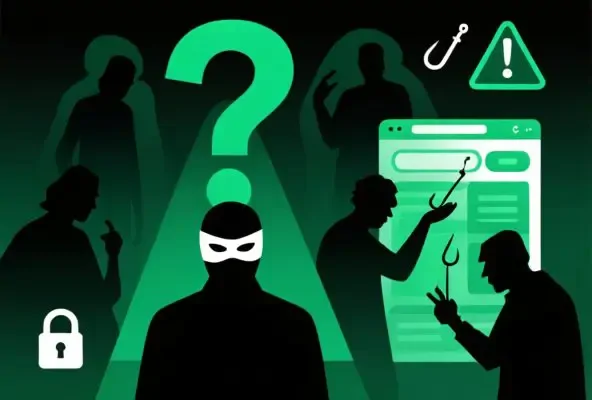
Editorial illustration showing different scam types as shadowy silhouettes with warning elements, representing the various ways scammers target bettors
Understanding the different types of betting scams is your first line of defence

Who Do These Scams Target? Understanding Your Vulnerability

Betting scam victims aren't just naive newcomers. Scammers target specific groups based on psychological vulnerabilities and life circumstances. Understanding these targeting patterns helps you assess your own risk.

1. New or Inexperienced Gamblers

New bettors unfamiliar with how legitimate platforms operate are more likely to believe unrealistic offers and recognise red flags. If you've never used a licensed bookmaker, you have no baseline for what constitutes normal operations.

2. People Under Financial Pressure

Financial stress creates psychological vulnerability to promises of quick winnings. When you're worried about bills, debt, or unexpected expenses, the appeal of "guaranteed wins" or "easy money" schemes increases dramatically.

Scammers know this and tailor their messaging accordingly, framing betting as an "investment opportunity" or "income supplement" rather than gambling.

3. Older Adults (65+)

Research shows 18% of older adults participate in online gambling "very often," with 23% participating "somewhat often." This demographic often:

  • Has retirement savings and home equity to target
  • May be less familiar with digital security practices
  • Tends to be more trusting of authoritative-looking communications
  • May be isolated, with fewer people to sense-check offers

4. Young Adults

Highly active on social media where scams proliferate, young adults are particularly vulnerable to influencer fraud, affiliate scams, and peer pressure tactics. They're more likely to:

  • Trust recommendations from social media personalities
  • Act impulsively during live sporting events
  • Overestimate their own knowledge and ability to spot scams

5. People Who Gamble Alone

Without friends or family to discuss your betting activities, you lose an important layer of protection. Others can often spot red flags we miss ourselves and provide reality checks when we're being manipulated.

6. Passionate Sports Fans

Emotional investment in teams and events can cloud judgment. The excitement of live betting, combined with passion for your team, makes you more likely to act impulsively and ignore warning signs.

Betting Scam Warning Signs: The Ultimate Red Flags Checklist

Recognising warning signs early is your best protection against betting scams. These red flags apply across multiple scam types and should trigger immediate caution.

Tipster Red Flags

Unrealistic promises

  • Claims of 90%+ accuracy or "never lost in X days" (elite professionals struggle to maintain 60%)
  • Guarantees of wins or "risk-free" betting
  • Promises to recover your previous losses

Lack of transparency

  • No verified track record on independent platforms like Tipstrr or BetStamp
  • Refusal to show full history including losses
  • Deleted or edited posts after results are known
  • No reasoning or analysis behind picks—"just trust the pick"

High-pressure tactics

  • "Last 2 VIP slots!" or "Prices going up tonight!"
  • Limited-time offers creating false urgency
  • Threats that you'll "miss out" if you don't act immediately

Focus on flash, not substance

  • Instagram pages full of edited winning slips and dollar emojis
  • Photos of luxury cars, holidays, and stacks of cash
  • No educational content or betting strategy explanation
  • Generic advice applicable to any sport rather than specific analysis

Payment demands

  • Upfront fees for "insider information"
  • Requests for payment via untraceable methods (cryptocurrency, wire transfers)
  • Commission-based models where you place bets on behalf of the "expert"

Platform Red Flags

Licensing concerns

  • No gambling license information prominently displayed
  • License numbers that don't verify against regulator databases
  • Offshore jurisdictions with minimal oversight
  • Vague or evasive responses to licensing questions

Too-good-to-be-true offers

  • Welcome bonuses exceeding industry standards
  • Wagering requirements above 35-40x (making it nearly impossible to withdraw)
  • Maximum win limits that negate bonus value
  • "Free money" offers with hidden conditions

Website and app issues

  • Poor design quality, broken links, or slow loading
  • Recently registered domains (check using Whois tools)
  • Typosquatting domains (slight misspellings of legitimate sites)
  • Apps requesting unusual permissions (contacts, files, SMS access)
  • Apps not available on official stores (Apple App Store, Google Play)

Payment method concerns

  • Demands for cryptocurrency or wire transfers only
  • Unusual payment processors you've never heard of
  • Refusal to accept credit cards (which offer fraud protection)
  • Peer-to-peer payment apps without buyer protection

Customer behaviour patterns

  • Multiple complaints about withdrawals on review sites
  • Vague or evasive responses to questions about payouts
  • Terms and conditions that change frequently
  • Customer support that becomes unresponsive after problems arise

Communication Red Flags

Unsolicited contact

  • Messages from unknown tipsters or platforms you didn't initiate
  • Social media direct messages from accounts you don't follow
  • Emails about accounts you don't remember creating

Urgency and pressure

  • "Act now or lose this opportunity forever!"
  • "Your account will be suspended unless you respond immediately"
  • Time limits designed to prevent careful consideration

Secrecy demands

  • Requests not to share "insider information" with anyone
  • Claims of exclusive knowledge unavailable to the public
  • Non-disclosure agreements for betting tips

Requests for sensitive information

  • Asking for passwords, PINs, or login credentials
  • Requests for passport scans, bank statements, or utility bills before you've even deposited
  • Demands for access to your banking apps or payment accounts

"If you go to Reddit or a public forum and see recommendations from a lot of users with a long history and a lot of posts, that's usually a fairly good sign. Think of [gambling] as entertainment. It's just like going to the movies on a Friday night. You buy popcorn. You spend time with your partner. And for two hours you enjoy yourself. You spend maybe $60, and at the end of the night, that money is gone. But that's OK because you've had an entertaining experience."

— Alexander Korsager, Casino.org

Editorial illustration of safety verification with checkmarks, shield icons, and security symbols representing due diligence for bettors
Following proper safety procedures and verification steps helps protect you from fraud

How to Avoid Betting Scams: The Ultimate Safety Checklist

Prevention beats cure every time. These protective measures will dramatically reduce your risk of falling victim to betting scams.

Pre-Betting Due Diligence

1. Verify Licensing and Regulation

Before depositing a single penny, verify the platform's gambling license:

What to look for:

  • Valid license number that matches the company operating the site
  • Current license status (not expired or suspended)
  • The exact trading name matches your records
  • The license covers the type of gambling you're engaging in

2. Research Platform Reputation

Don't rely on a single source. Cross-reference reviews from multiple independent platforms:

  • Trustpilot (ignore 5-star reviews with no detail; focus on detailed complaints)
  • Reddit (r/sportsbook, r/gambling, r/ukgambling)
  • Dedicated gambling forums and review sites
  • Better Business Bureau (for operators targeting UK/US markets)

What to look for:

  • Patterns in complaints (withdrawals, account closures, rigged odds)
  • How the company responds to negative reviews
  • How long the platform has operated (avoid brand-new sites)
  • Recent spikes in complaints or rating drops

3. Security Verification

  • Ensure HTTPS encryption (look for the padlock icon in your browser)
  • Check website age using tools like the Wayback Machine or Website Age Checker
  • Verify domain spelling carefully (watch for typosquatting)
  • Download apps only from official stores (Apple App Store, Google Play)
  • Check app developer verification and review history
  • Be suspicious of apps with few reviews despite high ratings

4. Payment Method Safety

  • USE credit cards (offer fraud protection under the Fair Credit Billing Act)
  • USE trusted digital wallets like PayPal (with buyer protection)
  • AVOID wire transfers (difficult to reverse, no fraud protection)
  • AVOID cryptocurrency (untraceable, no recourse if things go wrong)
  • AVOID unusual payment processors specific to gambling
  • AVOID peer-to-peer payment apps without buyer protection

During Betting Activity

1. Account Security

  • Enable multi-factor authentication (MFA) everywhere offered
  • Never share login credentials with anyone
  • Use strong, unique passwords for every betting account
  • Monitor account activity regularly for unauthorised access
  • Be extremely cautious of unsolicited "customer support" contacts
  • Log out completely after each session (especially on shared devices)

2. Smart Betting Practices

  • Screenshot your bets as evidence
  • Keep records of all transactions (deposits, bets, withdrawals)
  • Read terms and conditions carefully before depositing
  • Understand withdrawal policies and limits upfront
  • Never bet more than you can afford to lose
  • Set deposit limits and stick to them
  • Take regular breaks to assess your betting patterns

For new bettors, learning proper bankroll management is essential for protecting your funds and avoiding the desperation that scammers exploit.

3. Communication Safety

  • Ignore unsolicited social media messages about betting opportunities
  • Be highly sceptical of anything marked "urgent" or "time-sensitive"
  • Never click links in unexpected messages or emails
  • Always verify communications through official channels (go directly to the website)
  • Don't respond to pressure tactics or emotional manipulation
  • Block and report suspicious accounts immediately

How to Spot Legitimate Tipsters: A Verification Guide

Legitimate tipsters:

  • Maintain transparent, verifiable records on independent platforms like Tipstrr or BetStamp
  • Show full history including losses (anyone claiming never to lose is lying)
  • Provide detailed reasoning and analysis for their picks
  • Use proper staking plans with defined units and bankroll management advice
  • Welcome cautious, informed followers who ask questions
  • Accept that losses are an inevitable part of sports betting
  • Focus on education and responsible gambling practices
  • Have realistic long-term profit expectations (5-15% ROI is excellent)

Scam tipsters:

  • Claim unrealistic win rates (90%+ is mathematically impossible long-term)
  • Delete failed picks or only post after events have started
  • Promise "guaranteed wins" or access to "fixed matches"
  • Use pressure tactics and FOMO marketing ("Last 2 spots!")
  • Lack transparent track records on independent verification platforms
  • Provide no reasoning behind picks ("just trust me")
  • Focus entirely on flash—luxury images, dollar signs, winning slips
  • Request upfront payments for "insider information"
  • Portray betting as easy money rather than a challenging skill

Social Media Safety: Protecting Yourself on Instagram, Twitter, and TikTok

Red flags on social media:

  • New accounts with little posting history
  • Generic posts or obviously copied content
  • Fake follower accounts (low engagement despite high follower counts)
  • Excessive focus on luxury/wealth display rather than betting analysis
  • Direct messages from unknown accounts offering "exclusive opportunities"
  • Promises of "VIP" access or "insider" information
  • Inability to provide verified track records
  • Aggressive responses to questioning or criticism

Protective actions:

  • Research account history thoroughly before engaging
  • Be deeply sceptical of "success" stories without verification
  • Never share personal information via direct messages
  • Verify all claims through independent sources
  • Report suspicious accounts to the platform
  • Remember: real experts don't need to cold-message strangers for business
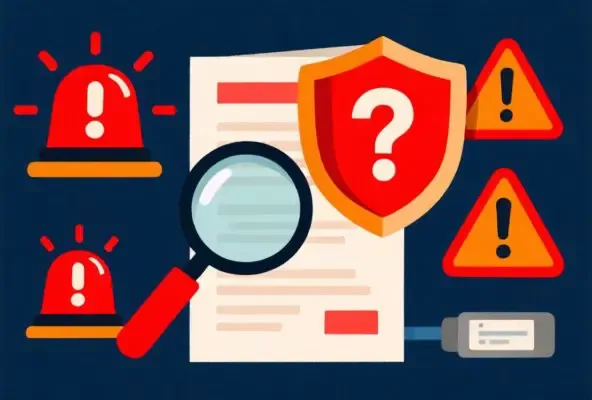
Editorial illustration showing warning signs and red flags to watch for when identifying betting scams
Learning to spot these red flags early is your best defense against sophisticated betting scams

What To Do If You've Been Scammed: Immediate Action Steps

Discovering you've fallen victim to a betting scam is devastating. You might feel embarrassed, angry, or ashamed. Here's what you need to know: You are not at fault. Sophisticated scams can trick anyone. The most important thing now is taking swift action to minimise damage and potentially recover funds.

Immediate Actions (Within 24 Hours)

1. Break Contact Immediately

  • Stop all communication with the scammer
  • DO NOT send additional money under any circumstances
  • DO NOT believe threats or promises of refunds (common tactic to extract more money)
  • DO NOT share additional personal information
  • Block their contact details on all platforms

2. Preserve Evidence

This is crucial for potential investigations and financial recovery:

  • Save all communications (emails, messages, chat logs)
  • Keep all documents, brochures, and promotional materials
  • Screenshot websites and profiles before they disappear
  • Record transaction details and banking information
  • Document a clear timeline of events and amounts lost
  • Save any contract agreements or terms and conditions

3. Secure Your Accounts

  • Change passwords for all financial accounts immediately
  • Enable multi-factor authentication everywhere possible
  • Contact your bank to flag suspicious activity
  • Consider freezing credit reports if identity theft occurred
  • Scan all devices for malware if you clicked suspicious links
  • Review all accounts for unauthorised transactions

How to Report Betting Scams in the UK

Action Fraud / Report Fraud

The UK's national reporting centre for fraud and cyber crime:

What to report:

  • All details of the scam (timeline, amounts, methods used)
  • Evidence you've preserved (screenshots, communications)
  • Bank transaction details
  • Any information about the scammer's identity

UK Gambling Commission

Report the following to the UKGC:

NCSC (National Cyber Security Centre)

Report scam websites and phishing attempts:

Financial Conduct Authority (FCA)

Report investment-style gambling scams:

Reporting in Other Jurisdictions

United States:

International:

  • Europol: For transnational organised crime cases
  • INTERPOL: For international match-fixing schemes
  • Local law enforcement: Always file local police reports

Financial Recovery: What to Expect

Contact your bank immediately

  • Some transactions may be reversible if reported quickly
  • Credit card companies may offer chargeback options
  • Report to your insurance provider if applicable
  • Be prepared for limited recovery (scammers often use untraceable methods)

Be aware of recovery scams

After reporting a scam, you might be contacted by "recovery services" promising to get your money back—for a fee. These are almost always scams. Legitimate recovery happens through law enforcement and your bank, not third-party companies demanding upfront payment.

Emotional support

  • Recognise that scam victims are not at fault
  • Seek support from friends and family
  • Consider professional counselling if needed
  • Contact gambling support organisations:

The Regulatory Landscape: Who's Fighting Back?

While scams proliferate, regulatory bodies and law enforcement agencies are fighting back. Understanding this landscape helps you recognise legitimate platforms and know where to turn for help.

United Kingdom

UK Gambling Commission (UKGC)

The primary regulator for gambling in Great Britain, the UKGC:

  • Licenses and regulates all legitimate gambling operators
  • Investigates misconduct and imposes fines
  • Revokes licenses from operators who fail standards
  • Received 443 reports of suspicious activity in 2023-24
  • Issues guidance on anti-money laundering and fraud prevention
  • Investigates match fixing and integrity concerns

Verify a license here: https://www.gamblingcommission.gov.uk/public-and-players/public-register

Action Fraud / Report Fraud

The UK's national reporting centre for fraud and cyber crime:

National Crime Agency (NCA)

Leads the UK's fight against serious and organised crime, working with international partners on match-fixing and sports corruption cases.

European Union

Europol

The European Union's law enforcement agency:

International Cooperation

INTERPOL

  • Coordinates international police cooperation
  • Operates dedicated sports corruption projects
  • Supports national investigations across borders

Sportradar

  • Provides sports integrity and fraud detection services
  • Operates the Universal Fraud Detection System (UFDS)
  • Monitors suspicious betting patterns globally
  • Reported a notable decline in match-fixing in 2024, though threats remain
Editorial illustration showing the importance of reporting scams and taking immediate action when victimized
Taking swift action and reporting scams helps protect others and potentially recover funds

Responsible Gambling: The Foundation of Safety

The best protection against betting scams starts with responsible gambling practices. Scammers target people who are desperate, chasing losses, or betting beyond their means.

Core principles:

  1. Set budgets and stick to them – Never bet money you can't afford to lose
  2. View betting as entertainment – Not a way to make money or solve financial problems
  3. Set time limits – Take regular breaks and don't let betting consume your life
  4. Never chase losses – Accept losing days as part of the experience
  5. Use deposit limits – Most legitimate platforms offer tools to limit your deposits
  6. Take self-assessment tests – Recognise if gambling is becoming a problem
  7. Seek help early – If gambling is affecting your life, support is available

UK Support Resources:

Key Takeaways: Your Anti-Scam Checklist

Betting scams are sophisticated, prevalent, and constantly evolving. But you don't need to become a victim. Following these core principles will dramatically reduce your risk:

✅ BEFORE You Bet:

  • Verify the platform holds a valid gambling license (check the UKGC public register)
  • Research the platform's reputation across multiple independent sources
  • Ensure the site uses HTTPS encryption
  • Check the domain age and spelling carefully
  • Confirm the site has clear, reasonable terms and conditions
  • Verify they accept standard payment methods (credit cards, PayPal)

✅ WHEN Choosing Tipsters:

  • Demand verified track records on independent platforms (Tipstrr, BetStamp)
  • Expect full transparency including losses (anyone claiming 90%+ win rates is lying)
  • Require detailed analysis and reasoning for picks
  • Be suspicious of pressure tactics and urgency
  • Never pay for "insider information" or "fixed matches"
  • Focus on educators, not just "pick sellers"

✅ WHEN You Bet:

  • Enable multi-factor authentication on all accounts
  • Use strong, unique passwords everywhere
  • Never share login credentials or personal information
  • Screenshot your bets and keep transaction records
  • Ignore unsolicited messages and urgent requests
  • Never click links in unexpected emails or messages
  • Set and stick to deposit limits and time limits

✅ IF Something Feels Wrong:

  • Stop immediately and trust your instincts
  • Break contact with the suspicious party
  • Preserve all evidence (screenshots, emails, messages)
  • Contact your bank immediately if you've made payments
  • Report to Action Fraud (0300 123 2040 or reportfraud.police.uk)
  • Seek emotional support if needed (GamCare: 0808 8020 133)
Editorial illustration showing positive safe betting outcome with happy punter figure silhouette, green checkmark, and golden glow representing successful safe betting
When you bet smart and stay safe, you can enjoy sports betting as entertainment without the fear of scams

Final Thoughts: Stay Safe, Bet Smart

Sports betting can be brilliant entertainment when done responsibly through legitimate, licensed platforms. The industry offers excitement, engagement with sports you love, and the occasional thrill of a winning bet.

But the rapid growth of online betting has attracted sophisticated criminal operations designed to separate you from your money. The £629 million lost to fraud in the UK in just six months of 2025 represents real people—often vulnerable people—who trusted the wrong platforms or tipsters.

Education is your strongest defence. Understanding how scams work, recognising the warning signs, and following the protection strategies in this guide means you can enjoy sports betting safely while avoiding the predators targeting our community.

Remember:

  • If it sounds too good to be true, it probably is
  • Legitimate platforms don't need to pressure you
  • Real experts admit losses and show verified records
  • Your instinct is often right—trust it
  • If you're unsure, ask. Talk to friends, check forums, verify independently

Stay safe, bet smart, and enjoy the sports you love—without becoming another statistic.

Reporting Scams (UK):

Verify Licenses:

Support & Help:

Verification Platforms:

Additional Reading:


This article is for educational purposes only and does not constitute legal or financial advice. If you believe you've been the victim of a scam, contact law enforcement and your financial institution immediately.

Professional headshot of Eleanor Caldwell, Tennis & Sports News Writer

Eleanor Caldwell

Bookmaker & Betting Odds Analyst

Eleanor Caldwell is a betting industry specialist with deep expertise in bookmaker comparisons, betting odds analysis, and promotional offers. With a sharp analytical mind and insider knowledge of the UK betting market, Eleanor helps readers find the best bookmakers, understand odds movements, and maximize value through bonus offers and enhanced odds promotions. She specializes in breaking down complex betting terms and conditions into clear, actionable advice. Eleanor's coverage includes detailed bookmaker reviews, odds comparisons across major football markets, and strategies for identifying the best value bets.