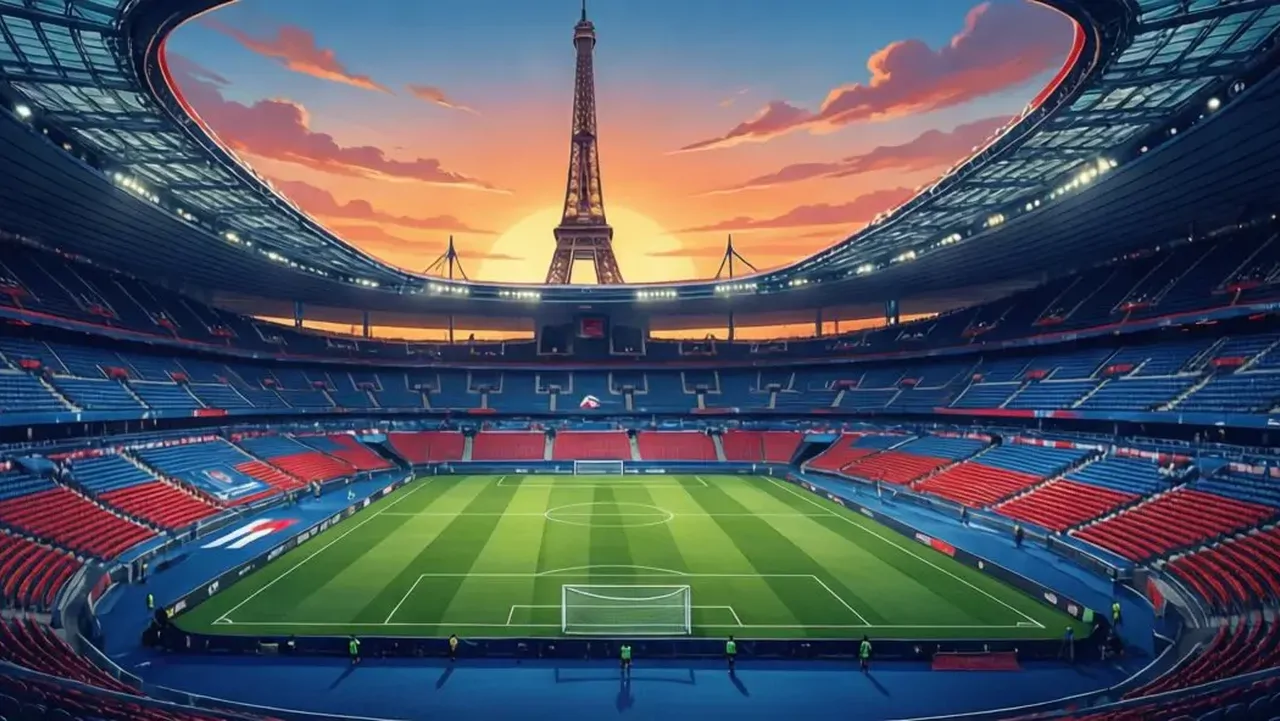
Parc des Princes stadium with Eiffel Tower at sunset
Complete Guide

PSG: Paris Saint-Germain Complete Guide (2026)

Jump to section

European Football's Modern Giant

Talk about European football royalty, and Paris Saint-Germain stands apart—but not for the reasons you might expect. While most clubs boast histories stretching back to the 1800s, PSG football club has rewritten the playbook in just over five decades. Born from a merger in 1970 and transformed beyond recognition in 2011, PSG's journey from Parisian upstart to Champions League winners in 2025 is unlike anything football has seen.

So what actually makes PSG tick? Is it the QSI ownership revolution that delivered 37 trophies in 14 years? The Parc des Princes atmosphere that rivals anywhere in Europe? Or perhaps it's the Le Classique rivalry with Marseille that stops France in its tracks twice a season. Let's dive into the full story of Paris Saint-Germain.

How PSG Started: A Club Built on Ambition

Here's something that might surprise you: PSG didn't exist until 1970. That's right—when Real Madrid was winning its fifth European Cup, PSG was still a twinkle in Paris's eye. The club emerged from a merger between Paris FC and Stade Saint-Germain on August 12, 1970, backed by 20,000 founding members and some unlikely advice from Santiago Bernabeu himself. The legendary Real Madrid president reportedly told French officials that Europe's greatest city deserved a football club to match.

The early days? A mixed bag. PSG won Ligue 2 in their first season—debut with a bang—but things got complicated quickly. Paris FC split away in 1972 over money issues, leaving PSG to find their own path. They moved into Parc des Princes in 1973, and the rest, as they say, is history.

Club Historian

The creation of PSG was driven by a simple but powerful idea: Paris, one of the world's greatest cities, deserved a football club to match its stature. That vision has been realized beyond anyone's wildest dreams.

PSG Foundation

First Taste of Glory: The 1980s and That European Night

Paris Saint-Germain didn't have to wait forever for their first trophy. The Coupe de France arrived in 1982, and they defended it successfully in 1983. But the real breakthrough came in 1986—PSG's first Ligue 1 title. The attacking football they played made them darlings of the Parisian public, with nearly 50,000 fans packing into Parc des Princes for big European nights.

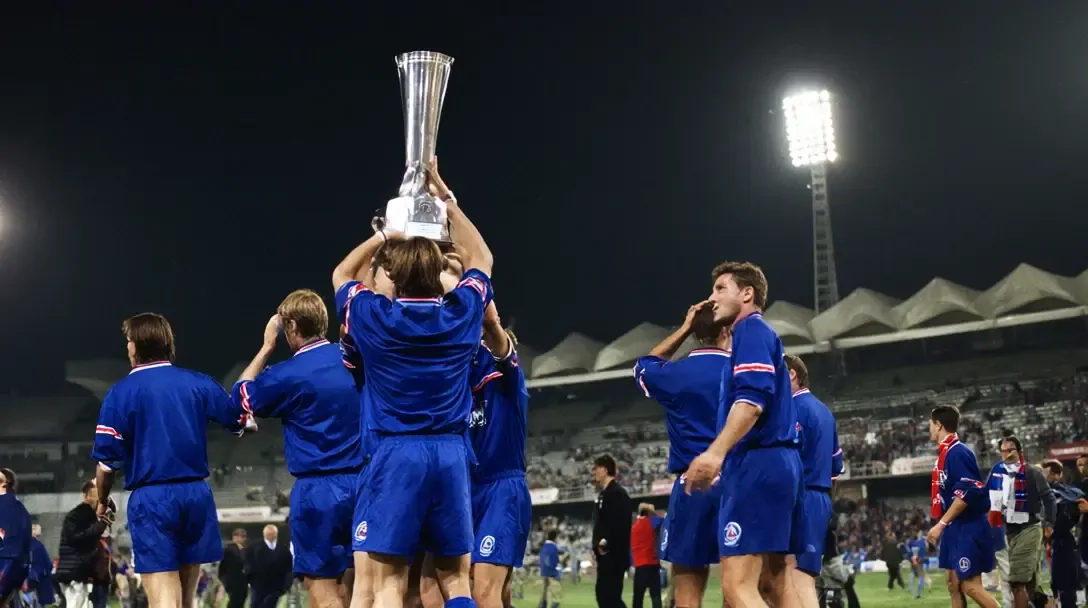
But the 1990s? That's when PSG really announced themselves on the European stage. With Canal+ pumping money into the club and stars like George Weah and Rai pulling the strings, PSG captured the UEFA Cup Winners' Cup in 1996. They beat Rapid Wien in the final, becoming only the second French club to lift a European trophy. Those years delivered multiple domestic cups and established PSG as genuine contenders.

The 2000s hit differently, though. Mismanagement, trouble with fans, and inconsistent results saw PSG lose their way. They still picked up the occasional cup, but by 2011, the club needed something radical.

PSG players celebrating 1996 Cup Winners' Cup victory
1996 Cup Winners' Cup Triumph

The QSI Takeover: Everything Changed in 2011

If you're wondering when PSG transformed from French contenders to global superpower, 2011 is your answer. That's when Qatar Sports Investments (QSI) walked in with approximately EUR76 million and a vision that seemed ludicrous at the time. Chairman Nasser Al-Khelaifi didn't mince words: the goal was "to make the greatest sports franchise in the sports industry."

Fourteen years later, it's hard to argue they haven't delivered.

The Money Revolution

The financial transformation under QSI ownership is genuinely staggering:

  • Revenue explosion: From EUR99 million in 2011 to EUR837 million by 2024/25—an 8.3-fold increase
  • Club valuation: Hit EUR4.25 billion in 2023
  • Global ranking: PSG now sits alongside Real Madrid and Manchester City as one of football's financial heavyweights

And the Trophies? 37 in 14 Years

The on-field results speak for themselves:

  • 11 of 14 possible Ligue 1 titles
  • Multiple Coupe de France and Coupe de la Ligue victories
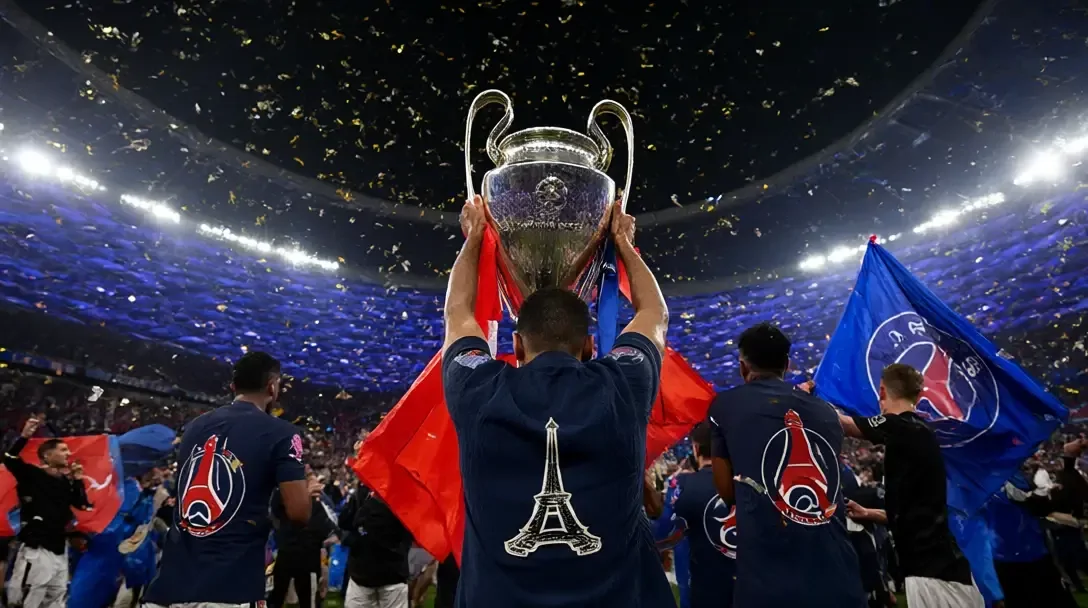
  • The big one: UEFA Champions League winners in 2025
PSG celebrating 2025 Champions League victory
2025 Champions League Glory

Champions League Glory: Finally, The Holy Grail

PSG had been so close before—heartbreakingly close. The 2020 final loss to Bayern Munich still hurts. But on May 31, 2025, at the Allianz Arena in Munich, Paris Saint-Germain finally got their hands on the European Cup.

And they didn't just win—they annihilated Inter Milan 5-0. That's not a typo. Five-nil in a Champions League final. Desire Doue scored twice, etching his name into PSG folklore alongside the new generation.

This victory completed an unprecedented sextuple in calendar year 2025: Ligue 1, Coupe de France, Trophee des Champions, UEFA Super Cup, FIFA Intercontinental Cup, and now the Champions League. Domestic domination? Check. Commercial conquest? Check. European conquest? Finally, check.

PSG Chairman

Winning the Champions League was the final piece of the puzzle. Paris Saint-Germain had conquered France, conquered the commercial world, and now we have conquered Europe. This is what the QSI project was always about.

Nasser Al-Khelaifi

Parc des Princes: More Than a Stadium

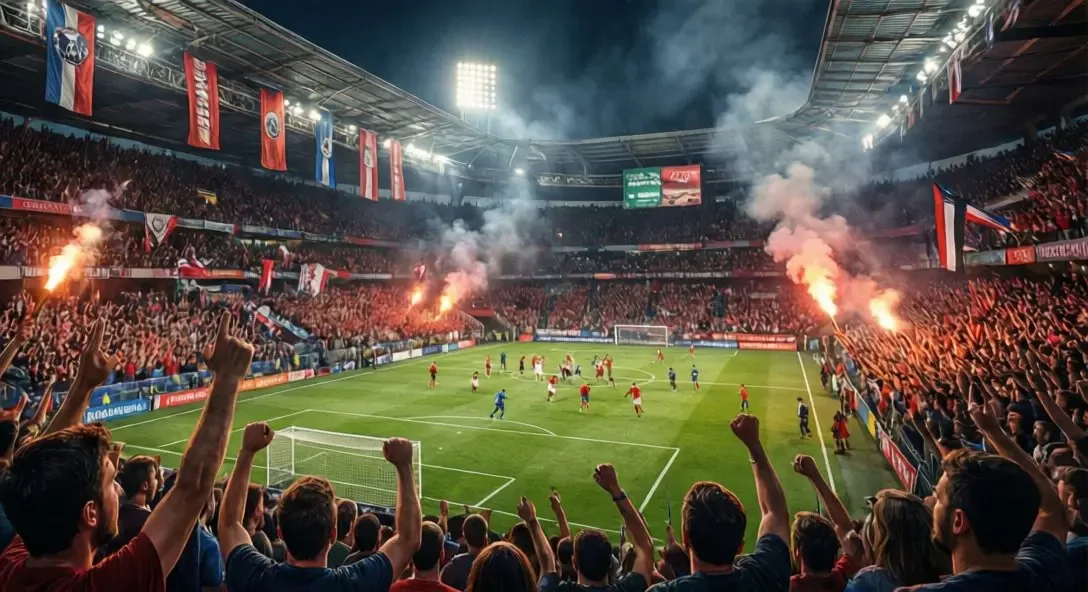
Since 1973, PSG have called the Parc des Princes home. Tucked away in Paris's upscale 16th arrondissement, this 48,000-capacity arena hosts some of European football's most intense atmospheres. When Marseille comes to town for Le Classique? The place absolutely rocks—flares, chants, banners, the works.

But here's the thing: PSG has arguably outgrown their historic home. When you look at Real Madrid's Santiago Bernabeu (80,000+), Bayern Munich's Allianz Arena (75,000), or Barcelona's Camp Nou (99,000), Parc des Princes starts to look small. The club is actively exploring a new stadium—60,000 to 90,000 capacity—with potential sites in Massy or Poissy (where their EUR300 million training center already lives). PSG wants to own their stadium outright, and who can blame them?

Identity: Why They're Called "Les Parisiens"

Paris Saint-Germain wears their identity on their sleeve—literally. The nicknames say it all: "Les Parisiens" (The Parisians) and "Les Rouge-et-Bleu" (The Red and Blue). The red and blue represent Paris, while white nods to French national identity. Together, they form the French tricolor.

The club badge has featured the Eiffel Tower since 1972—about as Parisian as it gets. In 2013, PSG actually accentuated "Paris" in their branding, recognizing their unique position as France's capital's only major club. Chief revenue officer Marc Armstrong put it perfectly: "London having one Premier League team and being called London United, with Big Ben in the badge, is everything we are."

Le Classique rivalry match atmosphere at Parc des Princes
Le Classique Rivalry

Le Classique: When PSG Faces Marseille

If you've never watched Le Classique, you're missing out on football's most intense rivalry. PSG versus Marseille isn't just a match—it's a collision of two completely different Frances. Paris Saint-Germain represents the capital's wealth, political power, and bourgeois glamour. Marseille? That's working-class pride, southern heritage, and provincial identity pushing back against Parisian dominance.

The rivalry caught fire in the 1980s and hit another level when billionaire Bernard Tapie took over Marseille and splashed the cash. Memorable moments? Franck Sauzee's last-minute title-winning goal for Marseille in 1989, or PSG's 5-1 dismantling of Marseille in 2017.

These days, PSG's financial muscle has tilted things in their favor, but Marseille's fanatical following ensures Le Classique remains must-watch television. Millions tune in worldwide, and the betting markets go absolutely crazy.

French Football Analyst

Le Classique is not just a match. It is a collision of two Frances, two identities, two ways of life. When PSG faces Marseille, the whole country stops to watch.

Rivalry Expert

The Legends Who Made PSG

Every great club has its icons, and Paris Saint-Germain is no exception.

Before the Money: Pre-QSI Heroes

  • George Weah: The Liberian forward became a PSG icon before his unlikely journey to FIFA presidency
  • Rai: Brazilian playmaker and talisman of the 1990s
  • David Ginola: Winger whose flair personified PSG's attacking DNA
  • Pauleta: The club's top scorer before the QSI revolution

The Galactico Era: Neymar, Mbappe, and Messi

The QSI era brought superstars to Paris in droves:

  • Zlatan Ibrahimovic (2012-2016): The man who put PSG back on the map, with iconic performances in Le Classique
  • Thiago Silva (2012-2020): Defensive captain and leader, so influential he got his own viral rap track "Thiago Silva" from Dave and AJ Tracey
  • Edinson Cavani (2013-2020): Still PSG's all-time top scorer with 138 goals
  • Neymar (2017-2023): That world-record EUR222 million transfer brought global attention and Brazilian flair
  • Kylian Mbappe (2017-2024): Local kid from Bondy who became the face of a new era
  • Lionel Messi (2021-2023): The GOAT himself brought unprecedented eyeballs to PSG

The New Guard

With the galacticos gone, PSG has pivoted to youth:

  • Warren Zaire-Emery: 17-year-old midfielder from the Parisian suburbs
  • Desire Doue: The young star who scored twice in the 2025 Champions League final
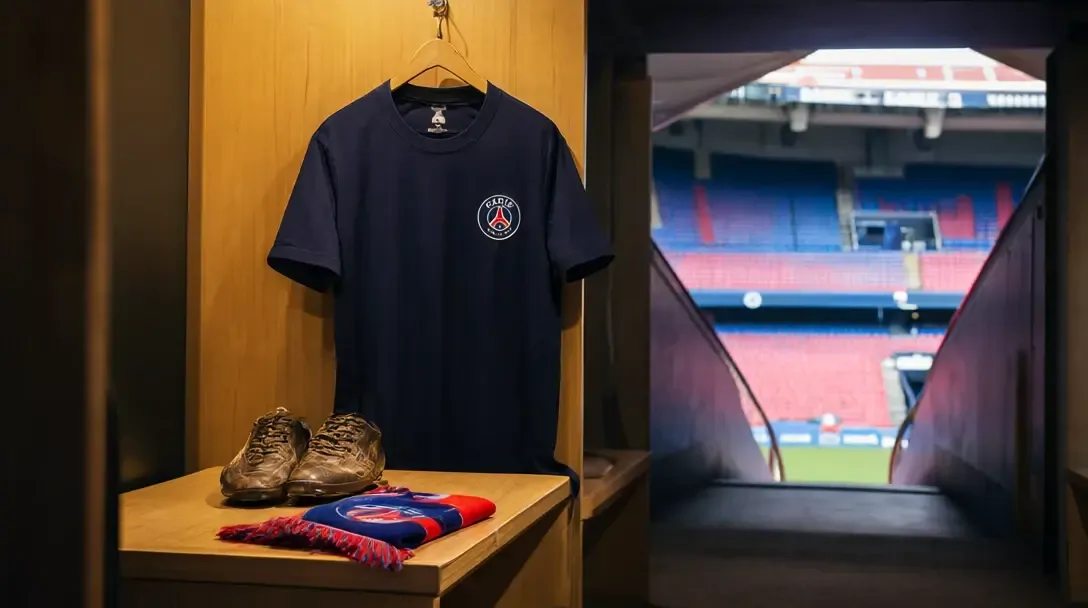
PSG Jordan Brand merchandise display
PSG Jordan Brand Fashion

More Than Football: PSG as Cultural Icon

Here's what makes PSG genuinely different: they don't just play football—they inhabit culture. Under chief brand officer Fabien Allegre, PSG pursued brand identity beyond football's traditional boundaries. The results speak for themselves.

The Jordan Brand Game-Changer

In 2018, PSG dropped a bombshell: a partnership with Jordan Brand. First time ever. Michael Jordan called it "a natural fit," and he wasn't kidding. PSG jerseys with the Jumpman logo became fashion staples, worn by everyone from Justin Timberlake to Kim Kardashian.

Harvard Business School literally wrote a case study about it. Sales outside France jumped 50% in six months. PSG claims their jersey is now the world's best-selling. When your football shirt becomes a fashion statement, you've made it.

Fashion, Lifestyle, and Global Domination

Walk down Champs-Elysees, and you'll find PSG's flagship store rubbing shoulders with Rolex, Dior, and Louis Vuitton. They've got stores in New York, London, Miami, Las Vegas, and Tokyo. Collaborations with Dior, BAPE, GOAT, and Koche position PSG across both high fashion and streetwear.

The Numbers Behind the Brand

Paris Saint-Germain's transformation from French club to global brand:

  • Social media: 228 million followers (up from 500,000 in 2011)
  • Global fanbase: 500+ million supporters worldwide
  • International reach: Less than 10% of fans actually live in France

This isn't accidental. PSG tailors content for global markets, works with agencies in the US and Asia, and uses their diverse squad of 30+ players as social media influencers.


What's Next for PSG?

Despite all the success, Paris Saint-Germain faces some big questions.

The Stadium Dilemma: Stay at historic Parc des Princes or build a new suburban venue? A decision's expected in autumn 2026, with potential completion by 2035.

Money Matters: Can PSG keep growing without a bigger stadium? The collapse of Ligue 1's domestic TV deal hit everyone's broadcasting income hard.

Fan Balance: In 2023, ultras protested high ticket prices and "mercenary" players. The shift toward youth has helped, but keeping traditional supporters happy while chasing global growth remains tricky.

French Football Competitiveness: With 11 of 14 Ligue 1 titles since 2011 and the 2024-25 title won by 19 points, some wonder if PSG's dominance actually hurts French football.

The Future Looks Parisian

PSG's current strategy? Sustainable success through youth development. That EUR350 million training center in Poissy rivals anything in world football, and 191 PSG Academies operate across 21 countries. The squad now emphasizes young French talent like Warren Zaire-Emery, a 17-year-old from the Paris suburbs.

This approach tackles financial sustainability (wage bill dropped from 111% of turnover to below 65% after Mbappe, Neymar, and Messi left) while giving fans players they can actually connect with.

Final Thoughts: PSG's Unbelievable Journey

Paris Saint-Germain's story—from merger project to global icon—has no parallel in modern football. In 15 years, QSI ownership delivered 37 trophies, a Champions League, and a EUR4.25 billion brand. They've completely reimagined what a football club can be.

The 2025 Champions League win proved they could do it on the pitch. The Jordan Brand partnership and fashion collaborations proved they could transcend sport entirely. As PSG plans a new stadium and develops the next generation of Parisian talent, that vision of "the greatest sports franchise in the sports industry" feels increasingly achievable.

For a club that didn't exist before 1970, PSG's rise is a testament to what happens when ambition meets investment meets brand positioning. Whether you see it as a blueprint for modern club development or a warning about financial power in football, one thing's certain: Paris Saint-Germain has changed football forever.

Professional headshot of Marcus Worthington, Senior Football Editor & Analyst

Marcus Worthington

Senior Football Editor & Analyst

Marcus Worthington is an experienced sports analyst and editor with over 12 years in sports journalism. Specializing in football tactics, league analysis, and long-form feature writing, Marcus provides in-depth coverage of Premier League, La Liga, and European competitions. His expertise extends to live score commentary and match result analysis, where his detailed understanding of game dynamics helps readers understand the story behind the scores. Marcus is known for his tactical breakdowns and ability to identify emerging trends in team performances.