Bayern Munich History, Trophies & Players: Complete Guide 2025

Bayern Munich History, Trophies & Players: Complete Guide 2025

Jump to section

Introduction

Few clubs in world football command the respect, fear, and admiration that Bayern Munich inspires. Their trophy cabinet would make most clubs weep with envy. Over 125 years of history have turned Die Bayern into something more than a football club - they're a juggernaut that looms over German football and casts a long shadow across Europe.

From Munich's beer gardens to wherever football fans gather worldwide, the red and white of Bayern Munich means one thing: winning. This guide covers what makes them tick - the history, the legendary players, how they play, the fans who live and die with every result, and what makes them different from everyone else.

Bayern Munich History: From Humble Beginnings to Global Dominance

Eleven football enthusiasts gathered in Munich on February 27, 1900, and formed a club that would eventually conquer Europe. Bayern Munich started as a modest local team, initially part of the MTV 1879 gymnastics club before striking out on their own. Nobody could have predicted what it would become.

The early years were rough. Bayern Munich struggled to make a mark in German football, living in the shadow of more established clubs. The real rise didn't begin until the 1960s, when new leadership and serious investment sparked a transformation.

Since then, Bayern Munich has spent over 55 seasons in the Bundesliga, becoming synonymous with the league itself. The journey from local Munich outfit to global powerhouse is one of football's great success stories. Smart management. Tactical innovation. An insatiable hunger for victory.

Club Identity

Mia san Mia - We are who we are. This simple phrase captures Bayern Munich's identity perfectly: self-confident, proud, and unapologetically Bavarian.

Bayern Munich Club Motto

Allianz Arena: A Cathedral of German Football

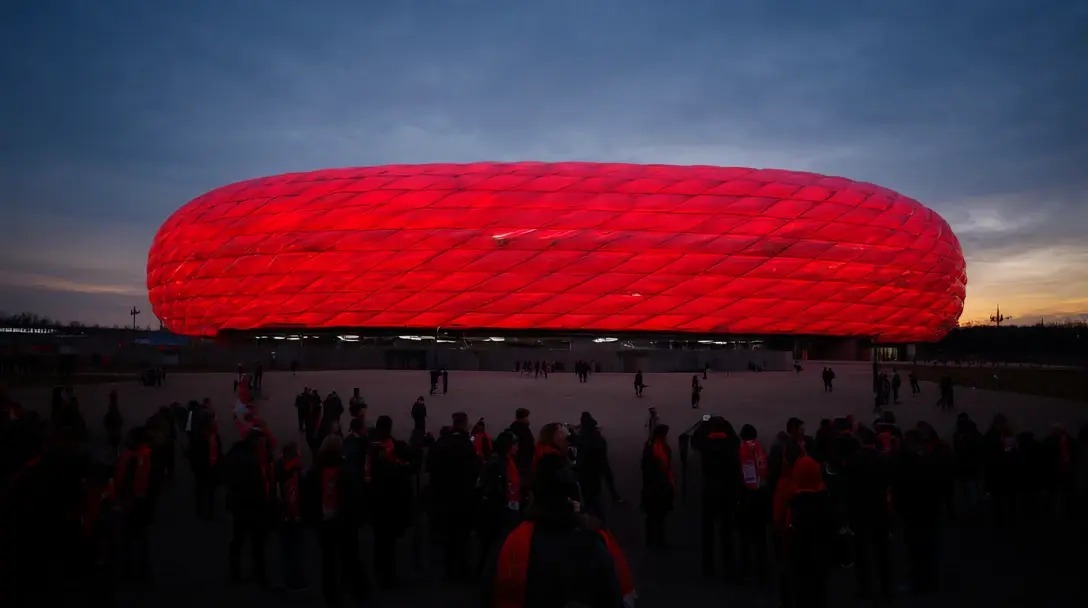
The Allianz Arena sits about 10 kilometers north of Munich city centre in Fröttmaning. Opened in 2005, this 75,000-capacity beast is Germany's second-largest stadium and has become as much a symbol of Bayern Munich as the players who run out onto its pitch.

The stadium's exterior changes colors. It glows red for Bayern Munich home matches - a spectacular sight visible from miles around. This feature has turned the Allianz Arena into a tourist attraction in its own right, drawing visitors who couldn't care less about football but can't resist the spectacle.

Before the Allianz Arena, Bayern Munich played at the Munich Olympic Stadium from 1972 to 2005. That venue witnessed some of the club's greatest nights. The move to their current home marked a new chapter in Bayern Munich history - world-class facilities for a world-class club.

Getting there is straightforward. The stadium is easily accessible from Munich city centre via public transport, car, or bicycle. Located outside Munich's low-emission zone, it's hassle-free for match-goers and tourists.


Nicknames and Identity

Bayern Munich's nicknames tell their story. "Die Bayern" (The Bavarians) connects the club to its regional roots. "FCB" is the universal shorthand. English speakers often call them simply "The Bavarians."

The best nickname might be "FC Hollywood." It emerged in the 1990s when the club's celebrity status and constant media attention made them regulars in German tabloids. The drama. The personalities. The glamour. It all seemed more Tinseltown than traditional German football.

Red and white aren't just colors. Red, especially, has become so tied to Bayern Munich that seeing it immediately conjures the club for football fans everywhere.

But nothing captures Bayern Munich's identity quite like their motto: "Mia san Mia." In Bavarian dialect, this means "We are who we are." It speaks to a self-confidence that borders on arrogance. Pride in Bavarian heritage. An identity that refuses to be compromised. The philosophy runs through everything: excellence, perfection, attention to detail, unity, diversity, and innovation.


Bayern Munich vs Borussia Dortmund: Der Klassiker

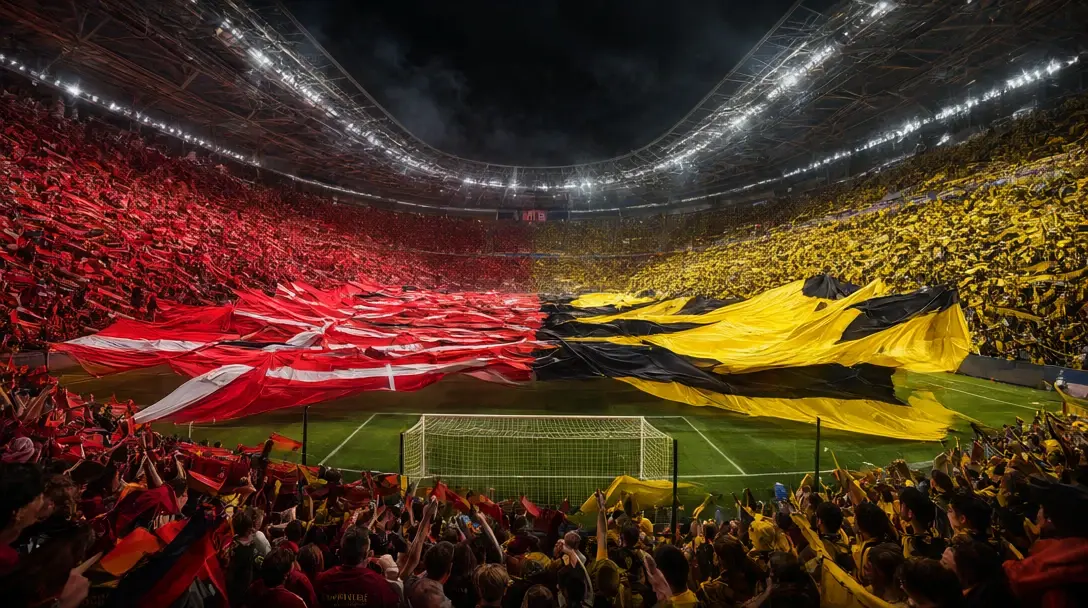
Every great club needs great rivals. Bayern Munich has plenty. The big one is Borussia Dortmund - "Der Klassiker" (The Classic). This fixture has grown into Germany's biggest domestic rivalry, pitting the two giants against each other in matches that pull in viewers from around the globe.

The rivalry developed organically through years of title races, dramatic matches, and Dortmund emerging as Bayern's most consistent challenger. Some debate whether it's a "true" rivalry given Bayern's historical dominance. But nobody denies the intensity when these two meet.

Closer to home, Bayern has historically maintained rivalries with TSV 1860 Munich in the local Munich derby. The Bavarian rivalry with 1. FC Nürnberg carries historical weight - representing the traditional divide between Bavaria proper and Franconia.

A newer rivalry has emerged with RB Leipzig. This one is ideological: traditional Bayern versus Leipzig, a corporate entity viewed by many traditionalists as a symbol of modern football's commercialization. When they meet, it's a clash of philosophies.

On the European stage, Bayern has built rivalries through Champions League battles with Real Madrid, Barcelona, and Manchester United.

Der Klassiker

Der Klassiker represents the pinnacle of German football. When Bayern Munich vs Borussia Dortmund happens, the world watches. These matches often prove tighter than the odds suggest - fascinating from both sporting and betting perspectives.

German Football Analyst

Bayern Munich Trophies: Unparalleled Success

Numbers only tell part of the story. But what numbers. Bayern's trophy total exceeds 85 major honors. The most successful club in German football history by a margin that borders on ridiculous.

Domestic Dominance

The Bundesliga record speaks for itself: 33-34 league titles, including an unprecedented 11 consecutive championships from 2012 to 2023. This streak is unmatched in major European football. Bayern rebuilds and reloads while competitors scramble to keep pace.

The German Cup (DFB-Pokal) has been similarly kind. Bayern holds the record with 20 titles. Add multiple German League Cups and German Super Cups, and you have a club that has made winning domestic silverware almost routine.

European Glory

Bayern's international record is just as impressive. Six European Cup/UEFA Champions League titles (1974, 1975, 1976, 2001, 2013, 2020) put them among the continent's elite - alongside fellow giants like Real Madrid. The three consecutive European Cups from 1974 to 1976 put Bayern in exclusive company - only four teams have ever achieved this.

The trophy haul includes one UEFA Cup/Europa League title, one European Cup Winners' Cup, two UEFA Super Cups, two FIFA Club World Cups, and two Intercontinental Cups. Bayern's third-place finish in FIFA's Club of the Century ranking cements their status among world football's aristocracy.

The 2024/25 season continued the tradition. Bayern claimed another Bundesliga title under new manager Vincent Kompany in his first season.


Bayern Munich Players: The Legends Who Built the Dynasty

A club is only as great as the players who represent it. Bayern has been blessed with some of the finest footballers to ever play the game.

The Emperor and the Bomber

Franz Beckenbauer - "Der Kaiser" (The Emperor) - remains the most iconic figure in Bayern Munich history. An academy graduate who became club captain and leader, Beckenbauer led Bayern to three consecutive European Cups from his position as a sweeping defender. One of the greatest defenders in football history. Period.

Alongside him stood Gerd Müller, "Der Bomber." Another academy product. His goalscoring bordered on supernatural. Müller's goals were crucial in Bayern's European Cup victories, and his record as one of football's most prolific marksmen endures.

The Goalkeeping Legacy

Bayern's goalkeeping tradition is unmatched. Sepp Maier, another academy graduate, established the standard of excellence between the posts. Oliver Kahn brought intensity and leadership that culminated in Champions League glory in 2001. Manuel Neuer has revolutionized the position in the modern era, transforming what it means to be a goalkeeper with his sweeper-keeper style.

Modern Icons

Philipp Lahm, Bastian Schweinsteiger, and Thomas Müller represent Bayern's commitment to homegrown talent. Lahm, the versatile captain. Schweinsteiger, the midfield maestro. Müller, the "Raumdeuter" (space interpreter) who holds the record for most appearances and stands as the most successful Bayern player in club history.

The Robben-Ribery era brought wing play to new heights. Arjen Robben's left foot and Franck Ribery's right foot terrorized defenses for years. Robben's Champions League final winner in 2013 etched his name into Bayern folklore forever.

Robert Lewandowski continued the tradition of prolific Bayern players during his 2014-2022 stint. Current star Jamal Musiala represents the exciting young talent carrying the torch forward.

Club Legend

Thomas Müller embodies everything Bayern Munich represents: homegrown talent, tactical intelligence, unwavering loyalty, and an unquenchable thirst for victory. His record as the most successful Bayern player in club history speaks volumes.

Bayern Munich Official

Tactical Evolution: From German Efficiency to Modern Sophistication

Bayern's playing style has evolved dramatically over the decades.

The Guardiola Revolution

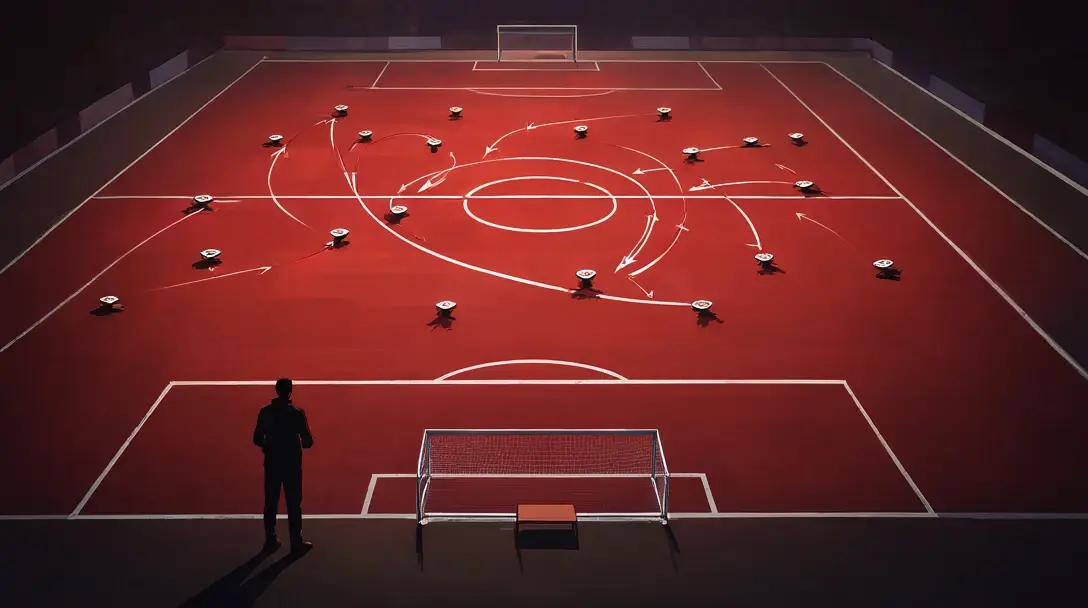
Pep Guardiola's appointment in 2013 changed everything. Guardiola introduced "Juego de Posición" (positional play) to Munich, transforming Bayern into a possession-based team that sought to control games through careful positioning and passing. The high pressing and quick transitions he implemented remain visible in Bayern's approach today.

The Modern Blend

Under current manager Vincent Kompany, Bayern has developed a blend of traditional German efficiency with tactical sophistication. The primary formation is 4-2-3-1, though flexibility is built in. High possession percentages remain a priority. So does aggressive pressing when out of possession.

The tactical hallmarks? Technical excellence across all positions. Versatility that allows Bayern players to operate in multiple roles. Patient build-up play from the back. Strong wing play. Central midfield dominance. It demands intelligence and technical ability in equal measure.

Kompany, appointed in May 2024 from Burnley and contracted until June 2029, has rebuilt Bayern's identity with obvious Guardiola influence. High pressing. Positional play. Attention to tactical details. The immediate success - a Bundesliga title in his first season - suggests the project is on the right track.


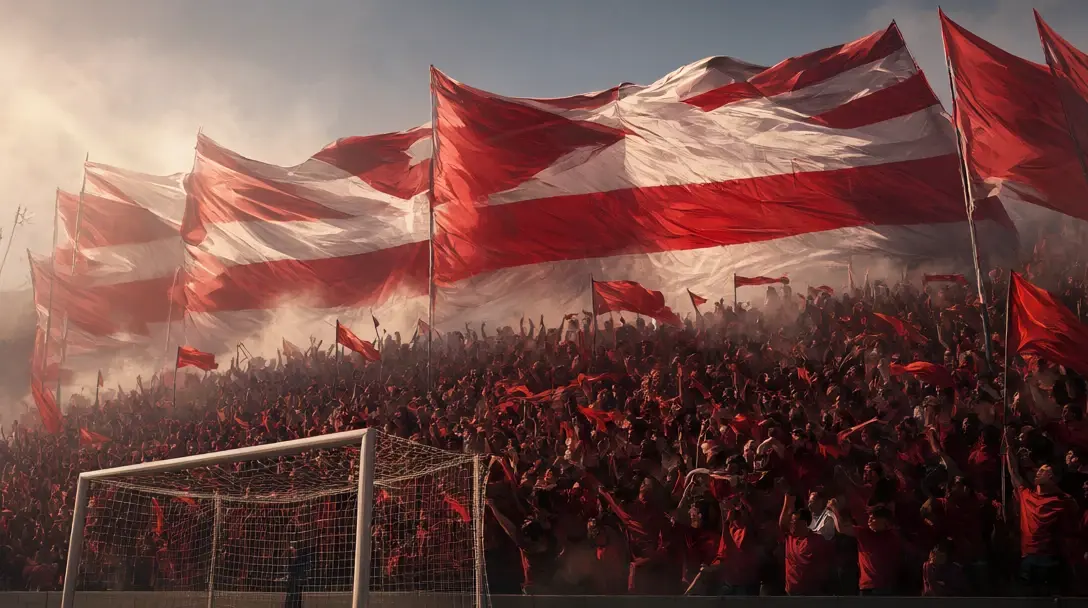
Bayern Munich ultras with red flares and banners at Sudkurve
The Sudkurve - spiritual home of Bayern Munich's most passionate supporters

Fan Culture: The Soul of Bayern Munich

Behind the trophies and global brand lies a passionate supporter base that gives Bayern Munich its soul.

The Ultras and the Südkurve

At the heart of Bayern's support are the ultra groups. Schickeria München stands out. Established in 2002, it's the largest ultra group, known for politically left-wing stances, creative tifos and displays, and a strong connection to traditional fan culture.

The Südkurve - the standing area where die-hard fans gather at the Allianz Arena - is the spiritual home of Bayern's most passionate supporters. Banners displayed. Tifos unveiled. Voices raised in unwavering support.

Against Modern Football

There's tension within Bayern's support. The club's commercial success versus traditional fan values. An "Against Modern Football" sentiment runs through the ultras - protests against excessive commercialization, bans on fan items, intensive entry checks.

In a remarkable display of solidarity, Bayern and Borussia Dortmund fans have jointly protested various issues. Over 500 supporters boycotting matches in response to concerns about where modern football is heading.

The Fan-Owned Model

Here's what makes Bayern different from Europe's elite clubs: they remain majority-owned by club members. This fan-owned structure sets Bayern apart from state-owned clubs and billionaire-backed competitors. It allows them to balance tradition with modern demands while maintaining financial stability and commercial success.


Current Bayern Munich Players and Future Outlook

The 2024-25 season sees Bayern Munich under Vincent Kompany's guidance with a squad blending experience and youthful promise.

Key Current Players

Manuel Neuer continues between the posts, providing leadership as captain. Jamal Musiala represents the exciting future - a rising star whose creativity unlocks defenses. Joshua Kimmich embodies versatility and tactical intelligence. Thomas Müller provides veteran leadership and that unique ability to find space that has defined his career.

Harry Kane, the recent signing from Tottenham, has brought elite goalscoring to Munich. Wingers Leroy Sané and Serge Gnabry offer pace and creativity. Konrad Laimer, Dayot Upamecano, and Alphonso Davies provide defensive steel and attacking thrust from the back.

Building for the Future

Kompany has praised the squad depth available to him. Tactical details. Continuous improvement. Strategic signings under his regime have balanced experienced Bayern players with young talent. An eye on players like Oleksandr Zinchenko for defensive reinforcement.

The contract extension until June 2029 demonstrates Bayern's commitment to Kompany's project. A Bundesliga title already secured in his first season. Now the focus turns to sustained domestic success and a return to the pinnacle of European football.


Betting Considerations: Understanding Bayern Munich's Market Position

For sports betting enthusiasts, understanding Bayern Munich's position in betting markets matters.

Domestic Dominance Affects Value

Bayern's domestic dominance makes them consistently short-priced favorites in Bundesliga matches. Their high winning percentage means straight bets on Bayern victories often offer limited value. Alternative markets - Asian handicaps, over/under goals - become more interesting for bettors seeking value.

European Competition Opportunities

Champions League and other European competitions typically offer better betting opportunities than domestic matches. The unpredictability of elite European football, combined with Bayern's strong home record at the Allianz Arena, creates various angles for consideration. Historical performance in knockout stages provides useful data for informed betting decisions.

Player-Specific Markets

Individual Bayern player markets can prove valuable. Goalscorer markets offer reliable options like Harry Kane. Assist markets reward creative players like Musiala and Kimmich. Player performance props can capitalize on Bayern's attacking tendencies.

Match-Specific Factors

Bayern Munich vs Borussia Dortmund matches often prove tighter than odds might suggest. Motivation levels can vary in less significant domestic matches. Squad rotation in cup competitions affects outcomes. Understanding these nuances provides edges for the informed bettor.


Cultural and Economic Significance: Beyond the Pitch

Bayern Munich's importance extends far beyond football results.

Economic Power

One of the richest football clubs in the world. Bayern boasts financial stability and commercial success that rivals any club globally. Major sponsorship deals with Allianz, Audi, and Adidas provide revenue streams that fund continued excellence. Global merchandising and brand presence ensure Bayern remains a commercial juggernaut.

Cultural Impact

Bayern Munich represents Bavarian pride and identity on the world stage. The club symbolizes German football excellence internationally while maintaining a strong connection to regional culture and traditions. The "Mia san Mia" philosophy extends beyond football into a broader statement of Bavarian self-confidence.

The Unique Business Model

Bayern's fan-owned structure sets them apart in an era of state ownership and billionaire benefactors. This model allows the club to resist full commercialization while maintaining success at the highest level. A balancing act between tradition and modern demands that few clubs have managed so successfully.

The ownership structure demonstrates that sporting success and financial responsibility aren't mutually exclusive. In an era of Financial Fair Play concerns and club collapses, Bayern stands as a model of sustainable success.


Conclusion: The Bavarian Giant

Bayern Munich represents something unique in world football. A club that combines unparalleled success with deep roots in its community. Global commercial power with fan ownership. Tactical sophistication with traditional values.

From those eleven football enthusiasts gathering in 1900 to the global powerhouse of today, Bayern Munich history has been remarkable. The 85+ trophies. The legendary players. The iconic Allianz Arena. The passionate supporters. All contribute to an institution that transcends sport.

Under Vincent Kompany, Bayern enters a new chapter. A Bundesliga title in his first season suggests the future remains bright. A squad blending world-class experience and exciting youth. The foundations are in place for continued dominance.

For football fans, Bayern offers a study in how to build and sustain success. For betting enthusiasts, they present unique market dynamics shaped by domestic dominance and European ambition. For anyone interested in the beautiful game, Die Bayern represent the pursuit of excellence that makes football compelling.

Mia san Mia. We are who we are. And what Bayern Munich is, quite simply, one of the greatest football clubs the world has ever seen.